
 By NewsMatrix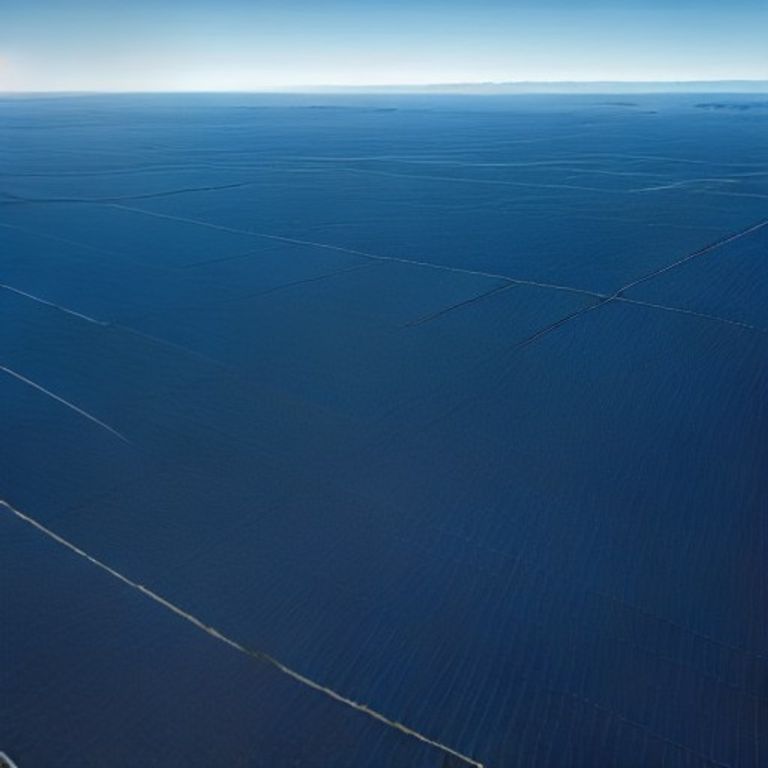
In a groundbreaking move that redefines the trajectory of energy production in the United States, Minnesota’s largest coal-fired power plant is undergoing a monumental transformation. The Sherburne County Generating Station (Sherco), historically a bastion of fossil fuel energy, is now home to the state’s most extensive solar installation: the Sherco Solar project. This pioneering initiative, spearheaded by Xcel Energy, not only marks a pivotal shift towards renewable energy but also strategically leverages existing transmission infrastructure, accelerating grid connection for new energy innovations and setting an ambitious precedent for future developments, including significant battery storage integration. The project stands as a powerful testament to the viability and strategic wisdom of transitioning from conventional energy sources to a sustainable, clean power future.
From Coal Powerhouse to Solar Giant: The Sherco Transformation
For decades, the Sherco plant, located near Becker, Minnesota, has been a critical component of the regional power grid, supplying electricity to millions of homes and businesses. Its three coal-fired units generated a substantial portion of Minnesota’s electricity, making it an indispensable, albeit carbon-intensive, asset. However, as global imperatives for climate action intensify and the economics of renewable energy become increasingly compelling, the fate of such large-scale coal facilities has come under scrutiny.
Xcel Energy, a leading utility provider in the region, has committed to delivering 100% carbon-free electricity to its customers by 2050. The Sherco transformation is a cornerstone of this ambitious goal. The utility has systematically retired two of Sherco’s three coal-fired units, with the third and final unit scheduled for retirement by 2030. In their place, a new era of energy production is dawning, characterized by the expansive Sherco Solar project.
The Sherco Solar installation is an engineering marvel in itself. Spanning thousands of acres adjacent to the former coal plant, it boasts a generating capacity that positions it as the largest solar farm in Minnesota. Comprising hundreds of thousands of photovoltaic panels, the array captures sunlight with remarkable efficiency, converting it into clean, reliable electricity. This massive deployment of solar technology directly contributes to the reduction of greenhouse gas emissions, significantly improving regional air quality and helping Minnesota meet its renewable energy targets. The visual transition from towering smokestacks to an endless sea of gleaming solar panels is a stark, powerful symbol of the paradigm shift underway in the energy sector.
Strategic Repurposing: Leveraging Existing Transmission Systems
One of the most innovative and economically significant aspects of the Sherco Solar project is its strategic utilization of the existing transmission infrastructure of the former coal facility. Developing large-scale renewable energy projects often faces significant hurdles related to grid connection. Building new high-voltage transmission lines can be incredibly time-consuming, capital-intensive, and fraught with permitting challenges. The Sherco project sidesteps many of these issues by simply plugging into the robust transmission network that was originally designed to carry vast amounts of electricity from the coal plant.
This approach offers a multitude of benefits:
- Accelerated Grid Connection: By leveraging pre-existing transmission lines and substations, the solar farm can connect to the grid much faster than if new infrastructure had to be developed from scratch. This reduces project timelines and brings clean energy online more quickly.
- Cost Efficiency: The substantial investment already made in the coal plant’s transmission system can be repurposed, significantly reducing the overall cost of the solar project. This makes renewable energy more competitive and economically attractive.
- Minimized Environmental Impact: Utilizing existing corridors avoids the need to acquire new land or disrupt pristine natural habitats for new transmission line construction. This aligns with environmental stewardship goals inherent in renewable energy development.
- Enhanced Grid Reliability: The established high-capacity transmission lines ensure that the large influx of solar power can be efficiently and reliably transmitted to population centers, maintaining grid stability.
This model of “repowering” former fossil fuel sites with renewable energy, often referred to as “brownfield development” in an energy context, is gaining traction globally. It offers a blueprint for other utilities and nations looking to transition their energy portfolios efficiently and responsibly, turning former carbon emitters into hubs of clean power generation.
Economic and Environmental Dividends of a Green Transition
The transition at Sherco delivers substantial economic and environmental dividends, reinforcing the multifaceted benefits of embracing renewable energy.
Environmental Stewardship and Climate Action
The primary environmental benefit is the dramatic reduction in greenhouse gas emissions. Phasing out coal-fired generation and replacing it with solar power eliminates millions of tons of carbon dioxide, sulfur dioxide, nitrogen oxides, and particulate matter that were previously released into the atmosphere. This directly combats climate change, reduces acid rain, and improves public health outcomes by lessening air pollution-related respiratory and cardiovascular diseases.
The project also showcases responsible land use. While the solar farm occupies a significant footprint, it utilizes land already designated for energy production, minimizing new ecological disturbances. Furthermore, many solar developers are implementing pollinator-friendly ground cover beneath and around the panels, creating new habitats for bees, butterflies, and other beneficial insects, thus supporting biodiversity.
Economic Growth and Job Creation
The construction and operation of the Sherco Solar project have generated significant economic activity. Thousands of jobs were created during the peak construction phases, ranging from engineers and project managers to electricians, laborers, and heavy equipment operators. While operational jobs for solar farms are fewer than coal plants, they are often high-skilled positions in a growing industry, contributing to a modern energy workforce.
Beyond direct employment, the project represents a substantial investment in the local economy, providing tax revenues to Sherburne County and local townships. This revenue can support public services, schools, and infrastructure, fostering community development. Moreover, stable, long-term power purchase agreements for solar energy can shield consumers from the volatile price fluctuations associated with fossil fuels, offering greater energy security and predictability.
The “just transition” for workers previously employed at the coal plant is also a critical consideration. Xcel Energy has emphasized efforts to retrain and reallocate employees, ensuring that the shift to renewable energy does not leave communities behind but rather creates new opportunities in the burgeoning green economy.
Innovation and Future-Proofing: Battery Storage Integration
The ambitious scope of the Sherco Solar project extends beyond immediate solar generation, incorporating forward-thinking plans for significant battery storage integration. While solar power is clean and abundant, its intermittent nature (only generating when the sun shines) poses challenges for grid stability and continuous supply. Battery storage is the key to overcoming this limitation, transforming solar energy into a dispatchable, 24/7 resource.
Xcel Energy’s plans for battery storage at Sherco represent a crucial step towards a more resilient and flexible grid. These large-scale battery systems will store excess electricity generated during peak solar production hours, making it available for release during periods of high demand, after sunset, or during cloudy weather. This enhances grid reliability, reduces the need for fossil fuel “peaker plants” (which quickly ramp up to meet surges in demand), and allows for more efficient management of energy supply.
The integration of battery storage will:
- Stabilize the Grid: By providing ancillary services like frequency regulation and voltage support, batteries help maintain the stability and quality of power supplied to consumers.
- Enhance Energy Security: Stored energy acts as a buffer, ensuring a continuous power supply even when renewable generation fluctuates, reducing reliance on external energy sources.
- Optimize Renewable Output: It allows the maximum utilization of solar power, preventing curtailment (when renewable energy generators are forced to produce less electricity than they are capable of) and maximizing the value of the generated electricity.
- Future Flexibility: As energy demands evolve and grid technologies advance, the modular nature of battery storage offers inherent flexibility for future expansion and adaptation.
This holistic approach to renewable energy deployment – combining large-scale generation with advanced storage solutions – positions Sherco as a leading example of how modern grids can be designed to be both clean and robust, capable of meeting the complex energy needs of the 21st century.
A Model for Global Energy Transition
The Sherco Solar project is more than just a local initiative; it is a powerful case study for utilities and governments worldwide grappling with the challenges and opportunities of energy transition. Its success demonstrates that a significant shift away from fossil fuels to renewable energy can be achieved on a grand scale, efficiently, and with strategic advantages.
The lessons learned from Sherco, particularly regarding the repurposing of existing transmission infrastructure and the integrated planning for battery storage, are invaluable. It showcases how legacy energy sites, once symbols of carbon emissions, can be revitalized as beacons of sustainable progress. For countries and regions with significant coal infrastructure, Sherco offers a tangible pathway to decarbonization without necessitating entirely new and costly grid developments.
As the global energy landscape continues its rapid evolution, projects like Sherco Solar highlight the ingenuity, commitment, and foresight required to build a cleaner, more sustainable future. It is a testament to human innovation and a strategic investment in the planet’s well-being, proving that economic prosperity and environmental responsibility can, and must, go hand in hand.
Conclusion: Paving the Way for a Sustainable Energy Future
The transformation of Minnesota’s largest coal plant into the vast Sherco Solar project is a landmark achievement, marking a critical juncture in the state’s and the nation’s journey towards a sustainable energy future. By strategically leveraging existing infrastructure and integrating advanced battery storage, the project sets a new standard for efficient and effective renewable energy deployment.
Sherco Solar is a powerful symbol of progress, demonstrating that the transition from fossil fuels to clean energy is not merely an environmental imperative but also an economic opportunity and a technological triumph. As it continues to evolve with future developments and expanded storage capabilities, the Sherco site will remain a crucial asset for Xcel Energy and a shining example for the global community, illuminating the path toward a carbon-free, resilient, and prosperous energy future for all.