
 By NewsMatrix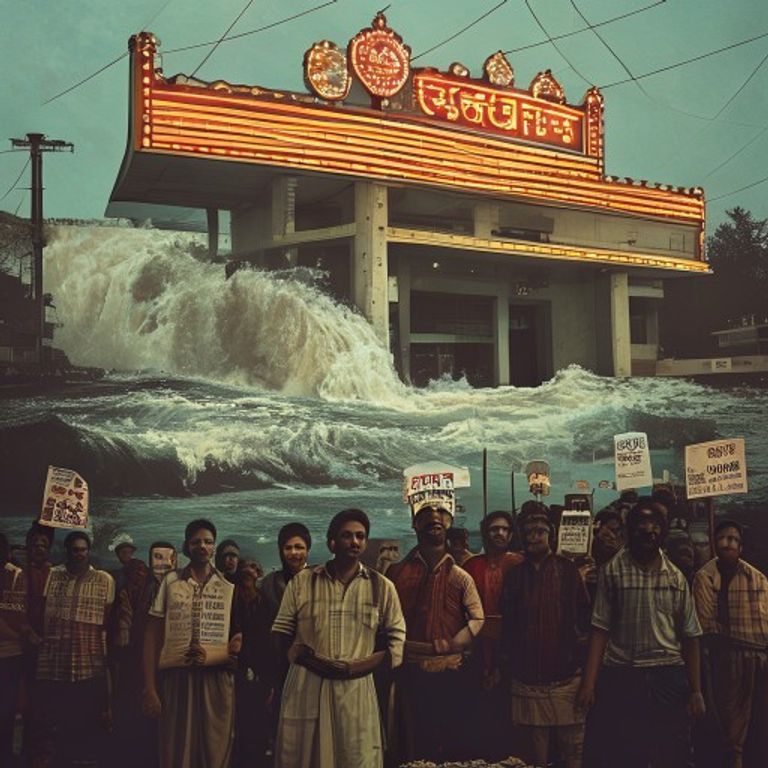
Tamil Films Halted in Karnataka Over Escalating Cauvery Water Dispute
Bengaluru, Karnataka – In a significant escalation of the long-standing Cauvery water dispute, Tamil film screenings across Karnataka have been abruptly halted until further notice, bringing a grinding halt to cultural exchange and disrupting the entertainment industry. The decision follows widespread protests led by pro-Kannada groups, who have intensified their agitation against the release of Cauvery river water to Tamil Nadu. This move underscores the deep-seated emotional and economic sensitivities surrounding the inter-state river water-sharing issue, throwing a spotlight on the delicate balance between regional sentiments and legal mandates.
Introduction: A Cultural Truce Amidst Water Wars
The streets of Karnataka, particularly its capital Bengaluru, witnessed a wave of protests in recent days, directly impacting the thriving cinema exhibition sector. Farmers and various pro-Kannada organizations spearheaded these demonstrations, demanding an immediate cessation of water release from Karnataka’s reservoirs to its neighboring state. Their actions culminated in theatre owners being compelled to suspend the exhibition of Tamil movies, a popular draw for a significant segment of the population. The Karnataka Film Exhibitors Association subsequently announced a statewide extension of this suspension, signifying a coordinated response to the volatile situation. With a statewide bandh (strike) called for August 13 by these groups to further press their demands, the current atmosphere is fraught with tension, casting a shadow over not just the film industry but also potentially wider economic activities in the state.
The Heart of the Dispute: Cauvery’s Contention
At the core of this cultural disruption lies the perennial Cauvery water dispute, a conflict that has spanned decades and ignited passions across both Karnataka and Tamil Nadu. The Cauvery River, a lifeline for millions in the southern states, originates in Karnataka and flows through Tamil Nadu before emptying into the Bay of Bengal. The dispute primarily revolves around the sharing of its waters, especially during times of drought or reduced rainfall, when demands from both agricultural and urban sectors intensify. Both states lay claim to a greater share of the river’s resources, citing historical usage patterns, irrigation needs, and drinking water requirements. This competition for a finite resource has frequently spilled over into political and social unrest, making the Cauvery issue one of India’s most contentious inter-state disagreements.
Recent developments, including directives from statutory bodies or the Supreme Court mandating Karnataka to release a certain quantum of water to Tamil Nadu, have often acted as catalysts for these protests. From the perspective of Kannada farmers, particularly those in the Cauvery basin districts like Mandya, releasing water when their own standing crops face distress due due to inadequate rainfall is perceived as an existential threat. They argue that their livelihoods are directly dependent on the Cauvery’s waters, and any diversion at critical times jeopardizes their agricultural output and economic stability. This sentiment fuels the passionate demonstrations and demands for the state government to prioritize local needs.
Economic and Cultural Ripples: Beyond the Silver Screen
The halt in Tamil film screenings, while seemingly a cultural issue, carries significant economic ramifications. Karnataka is a major market for Tamil cinema, with several blockbusters often finding immense success and contributing substantially to box office collections. Theatre owners, distributors, and daily wage workers associated with the exhibition industry in Karnataka face direct financial losses. While Kannada cinema enjoys strong patronage, the absence of popular Tamil releases creates a void and impacts overall footfall in multiplexes and single-screen theatres alike. This disruption isn’t merely about lost entertainment; it affects a complex ecosystem of businesses and livelihoods.
Moreover, the cultural exchange facilitated by cinema, which often transcends linguistic and regional barriers, is momentarily suspended. Film, as a powerful medium, allows for the appreciation of diverse narratives, artistic expressions, and shared human experiences. The current embargo, born out of a resource dispute, inadvertently stifles this cross-cultural dialogue. While the primary target of the protests is the water-sharing decision, the film industry often becomes an easily accessible and highly visible target for expressing discontent, highlighting the vulnerability of cultural sectors to broader socio-political tensions.
The ripple effect also extends to the logistics and distribution networks. Film prints or digital cinema packages, advertising campaigns, and booking systems all face disruption. For a few days, or even weeks, this might be manageable, but a prolonged ban could lead to significant financial strain for various stakeholders. The decision by the Karnataka Film Exhibitors Association to extend the suspension reflects not just compliance with protest demands but also a pragmatic approach to avoid potential vandalism or clashes at theatres, prioritizing safety and property over business as usual.
Political Undercurrents and Inter-State Relations
The Cauvery water dispute is perpetually intertwined with the political landscape of both Karnataka and Tamil Nadu. Governments in power in both states often find themselves walking a tightrope, balancing legal obligations, judicial pronouncements, and intense domestic pressure from their respective electorates. Any perceived weakness or concession on the water-sharing issue can have significant political costs, making it a highly charged and sensitive subject during election cycles and times of crisis. Political parties frequently leverage the issue to consolidate regional support, sometimes exacerbating tensions rather than fostering conciliatory solutions.
The current situation presents a challenge for the Karnataka state government, which must navigate the Supreme Court’s directives regarding water release while simultaneously addressing the vociferous demands of its own farmers and pro-Kannada activists. A failure to manage these competing pressures effectively can lead to accusations of betrayal from either side. Similarly, the government in Tamil Nadu monitors the situation closely, often appealing to central authorities and the judiciary to ensure its allocated share of water is released, citing the severe impact on its agricultural sector.
The larger implication for inter-state relations within the Indian federal structure is also significant. Such disputes highlight the challenges of cooperative federalism, where states must collaborate on shared resources. While constitutional mechanisms and tribunals exist to resolve these issues, the emotional attachment to resources like rivers often makes rational, legal solutions difficult to implement without generating public backlash. The involvement of the Union government often becomes crucial, sometimes acting as a mediator, sometimes as an enforcer of judicial verdicts, further complicating the multi-layered political dynamics.
The Farmer’s Plight and Activist Demands
At the heart of the protests are the farmers who depend on the Cauvery waters for their livelihoods. For generations, their agricultural practices, cropping patterns, and economic stability have been intrinsically linked to the river’s flow. When rainfall is deficient, and reservoirs dwindle, the specter of crop failure looms large. For them, every drop of water released to Tamil Nadu when their own fields are parched is seen as a direct threat to their survival. This deeply personal and economic struggle transforms into collective action, as seen in the ongoing protests.
Pro-Kannada groups, often acting as cultural and linguistic guardians, amplify these concerns. They articulate the sentiment that Karnataka’s interests must be paramount, especially regarding its natural resources. Their actions, though sometimes disruptive, stem from a perceived need to protect the state’s sovereignty over its resources and ensure fairness in inter-state dealings. The statewide bandh called for August 13 is a powerful demonstration of their ability to mobilize public sentiment and exert pressure on the government, aiming to bring the entire state to a standstill to force a reconsideration of the water release decision.
Historical Parallels and Future Outlook
This is not the first instance where the Cauvery water dispute has led to cultural or economic disruptions. In the past, similar protests have resulted in bans on goods, services, or cultural products from the opposing state, reflecting a recurring pattern of tension. Each such episode serves as a stark reminder of the unresolved nature of the dispute and the deep-seated sentiments it evokes. While legal and administrative frameworks are in place, the human element—the anxieties of farmers, the assertion of regional identity—frequently overrides purely technical or judicial solutions.
The immediate future sees Karnataka bracing for the statewide bandh, which is likely to further impact daily life and economic activity. The resolution of the film screening halt, and indeed the broader water dispute, hinges on a complex interplay of judicial rulings, political negotiations, and public sentiment. Until a mutually agreeable and sustainable solution to the Cauvery water-sharing conundrum is found, such disruptions may remain an unfortunate but recurring feature of the socio-political landscape in southern India.
Conclusion: Towards a Sustainable Harmony
The indefinite halt of Tamil film screenings in Karnataka is a potent symbol of the enduring and volatile Cauvery water dispute. It highlights how a critical resource issue can quickly spill over into cultural, economic, and social domains, affecting livelihoods and fostering inter-state friction. While the protests are a direct expression of the anxieties faced by farmers and citizens in Karnataka, the impact on the film industry serves as a stark reminder of the far-reaching consequences of unresolved resource conflicts. For long-term stability and harmonious inter-state relations, a comprehensive, empathetic, and legally sound resolution to the Cauvery water dispute is not just desirable but imperative, ensuring that cultural exchanges can flourish unimpeded and shared resources serve the prosperity of all.