
 By NewsMatrix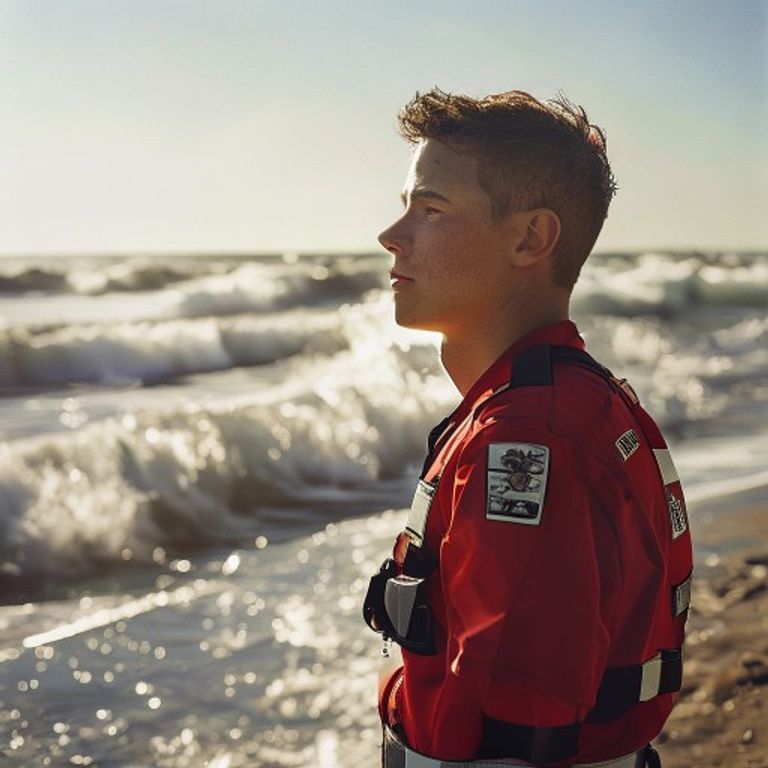
In a testament to unwavering bravery and exceptional training, a 16-year-old Santa Cruz lifeguard, Ryder Williams, has emerged as a national hero following a series of dramatic ocean rescues that captivated the attention of communities far beyond the Californian coast. His extraordinary actions, first involving a 10-year-old boy caught in perilous surf at Seabright Beach, and subsequently assisting in the rescue of two additional individuals, underscore the critical importance of skilled vigilance and immediate response in safeguarding lives against the unpredictable forces of the sea. Williams’ dedication and courage have not only earned him widespread commendation but have also illuminated the profound impact of professional lifeguard services.
A Routine Patrol Turns into a Life-or-Death Struggle
The incident that brought Ryder Williams into the national spotlight unfolded on a seemingly typical afternoon at Santa Cruz’s Seabright Beach, an area renowned for its scenic beauty but also susceptible to powerful currents and unpredictable wave patterns. It was during his scheduled shift that Williams, a diligent and observant young lifeguard, noticed a disturbance in the water that immediately signaled distress. A 10-year-old boy, later identified as a visitor to the area, had been swept away from the shallower waters by a particularly strong rip current, finding himself battling against the relentless force of the Pacific Ocean. The boy’s panicked cries and desperate struggle against the waves were unmistakable signals of a life in peril.
Without hesitation, Williams, whose training had meticulously prepared him for such critical moments, sprang into action. He swiftly grabbed his rescue buoy and plunged into the churning surf, navigating through the formidable waves with an impressive combination of strength, technique, and sheer determination. The conditions were challenging; powerful breakers threatened to engulf both rescuer and victim, and the relentless pull of the current made forward progress arduous. Yet, Williams, drawing upon hours of physical conditioning and simulated rescue scenarios, maintained his focus. He reached the struggling boy, who was by then visibly exhausted and on the verge of succumbing to the ocean’s might. Employing the proper rescue techniques, Williams secured the boy to the buoy, providing the crucial buoyancy and psychological reassurance needed in such a terrifying situation.
The journey back to shore was no less harrowing. Each wave presented a renewed challenge, requiring Williams to strategically use the ocean’s energy while simultaneously protecting the distraught child. Spectators on the beach watched in tense silence, a collective gasp echoing as particularly large waves momentarily obscured the pair from view. Finally, after what felt like an eternity, Williams successfully brought the young boy to the safety of the sandy shore. Once on land, paramedics were on standby to provide immediate medical assessment. The boy, though shaken and suffering from minor exhaustion, was otherwise unharmed, a testament to Williams’ swift and expert intervention. The relief that washed over the beach was palpable, transforming an afternoon of potential tragedy into a profound display of human courage.
Beyond the Call of Duty: Two More Lives Saved
Ryder Williams’ heroic day, however, was far from over. In an astonishing display of continuous selflessness, and after completing his shift and having already performed a high-stakes rescue, Williams found himself once again in a position to save lives. Later that same day, in a separate incident and away from his official post, two individuals encountered difficulties in the water. The details surrounding this second rescue highlight not only Williams’ inherent bravery but also his ingrained commitment to public safety, transcending the boundaries of his paid responsibilities.
Reports indicate that Williams, perhaps still processing the emotional intensity of his earlier rescue, was leaving the beach area when he became aware of another unfolding emergency. Two swimmers were struggling against an unexpected current, their calls for help piercing the late afternoon air. Despite the physical and emotional toll of his demanding day, Williams did not hesitate. He assessed the situation with the same calm precision he had demonstrated hours earlier. Recognizing the immediate danger, he again entered the water, without the full complement of his lifeguard equipment but armed with his unparalleled swimming prowess and life-saving knowledge. His intervention was timely and decisive, enabling both individuals to be brought back to safety, preventing what could have easily become another tragic event.
This second act of heroism, performed off-duty, elevated Williams’ story from a remarkable incident to an extraordinary narrative of dedication. It underscored that his actions were not merely a fulfillment of duty but a manifestation of a deeply held commitment to the well-being of others. The back-to-back rescues within a single day cemented his status not just as an adept lifeguard, but as a true guardian of the Santa Cruz coastline.
Nationwide Praise and the Lifeguard’s Essential Role
News of Ryder Williams’ incredible bravery quickly spread beyond Santa Cruz, reverberating across local, state, and national media outlets. His story became a beacon of inspiration, highlighting the profound impact a single individual can have in moments of crisis. Public officials, emergency services personnel, and community leaders were quick to offer their praise. The Santa Cruz Fire Department lauded his quick thinking and expert execution, emphasizing that his actions were a perfect embodiment of the rigorous training all lifeguards undergo.
Social media platforms buzzed with admiration for the young hero, with countless individuals sharing his story and expressing gratitude for his selflessness. Parents, in particular, resonated with the terror of a child in danger and the immense relief brought by a capable rescuer. Williams received commendations from civic organizations and even drew attention from national news anchors, who celebrated his maturity and courage far beyond his years. This widespread recognition served not only to honor Williams but also to bring much-needed attention to the often-underestimated role of lifeguards.
The incidents at Seabright Beach served as a powerful reminder of the essential service lifeguards provide. These highly trained professionals are the first and last line of defense against the inherent dangers of aquatic environments. Their presence often goes unnoticed until a crisis strikes, but their constant vigilance and readiness are what prevent countless accidents and fatalities annually. Williams’ story vividly illustrated that the calm exterior of a lifeguard lies a profound depth of knowledge, physical capability, and psychological resilience—all honed through intensive training programs designed to prepare them for the most extreme scenarios.
The Rigors of Lifeguard Training: Building Heroes
Ryder Williams’ success in these challenging rescues is not merely a stroke of luck but a direct reflection of the extensive and rigorous training program undertaken by lifeguards. Aspiring lifeguards undergo weeks, often months, of intensive physical conditioning, advanced first aid and CPR certification, and specialized water rescue techniques. This training is designed to instill the skills and confidence necessary to operate effectively under extreme pressure and in unpredictable aquatic environments.
Physical conditioning is paramount, requiring lifeguards to maintain peak cardiovascular fitness and muscular strength. They must be proficient swimmers, capable of enduring long distances in open water, often against strong currents and high surf. Beyond swimming, training includes rescue board proficiency, advanced victim recognition, spinal injury management, and the proper use of rescue equipment like buoys and rescue tubes. Crucially, lifeguards are taught to identify and understand various ocean conditions, including rip currents, tidal changes, and wave dynamics, enabling them to anticipate dangers before they escalate.
Furthermore, psychological training plays a vital role. Lifeguards learn to remain calm and decisive in high-stress situations, to communicate effectively with distressed individuals, and to make split-second decisions that can mean the difference between life and death. Simulated rescue scenarios, often conducted under realistic conditions, are integral to this process, allowing trainees to practice their skills in a controlled yet challenging environment. Ryder Williams’ seamless execution of complex rescue maneuvers, from approaching a panicking victim to safely bringing them ashore, exemplifies the efficacy of this comprehensive training. His actions serve as a powerful endorsement for continued investment in and respect for these vital public safety programs.
Community Impact and Ocean Safety Awareness
The heroism displayed by Ryder Williams had a profound ripple effect on the Santa Cruz community and beyond, sparking renewed discussions about ocean safety and the importance of personal responsibility when visiting beaches. The incidents served as a stark reminder that while the ocean offers immense beauty and recreational opportunities, it also demands respect and vigilance. Local authorities and beach safety organizations capitalized on the heightened awareness, reiterating crucial safety guidelines for beachgoers.
These guidelines typically include swimming near a lifeguard, understanding and obeying warning flags, never swimming alone, and being aware of one’s physical limitations. The story of Williams’ rescues underscored how quickly conditions can change and how vital it is for individuals to be prepared for unexpected challenges. Community outreach programs often highlight the dangers of rip currents, which are responsible for the majority of lifeguard rescues, and educate the public on how to escape them (swim parallel to the shore, not against the current, until free). The narrative of a young hero’s decisive actions provided a compelling real-world example of why these precautions are not merely suggestions but critical life-saving measures.
Moreover, Williams’ story likely inspired a new generation of young individuals to consider careers in public service, particularly in lifeguarding. The image of a teenager, not much older than many of the children he protects, performing such courageous acts can serve as a powerful motivator. It emphasizes that age is not a barrier to making a significant, life-saving difference in one’s community. This renewed appreciation for lifeguards and increased public awareness of ocean safety are invaluable long-term benefits stemming from Ryder Williams’ extraordinary day.
Conclusion: A Legacy of Courage
Ryder Williams, the 16-year-old Santa Cruz lifeguard, has etched his name into the annals of local and national heroism through his extraordinary acts of bravery at Seabright Beach. His swift and expert rescue of a 10-year-old boy from powerful surf, followed by his off-duty assistance in saving two more lives, stands as a testament to his exceptional courage, skill, and unwavering commitment to public safety. Williams’ actions are a powerful affirmation of the vital role lifeguards play in protecting lives and ensuring the safety of recreational spaces.
The nationwide praise he received is not just for his individual heroism but also serves as an important spotlight on the rigorous training, dedication, and professionalism inherent in the lifeguarding profession. His story reminds us that beneath the surface of routine patrols lies a profound capacity for courage and sacrifice, ready to be deployed when lives hang in the balance. Ryder Williams’ legacy is one that will continue to inspire, encouraging greater respect for the ocean’s power and a deeper appreciation for the guardians who bravely stand ready to face its challenges. His actions serve as a powerful example of how one individual, prepared and dedicated, can make an indelible impact, turning potential tragedy into triumph and fear into gratitude.