
 By NewsMatrix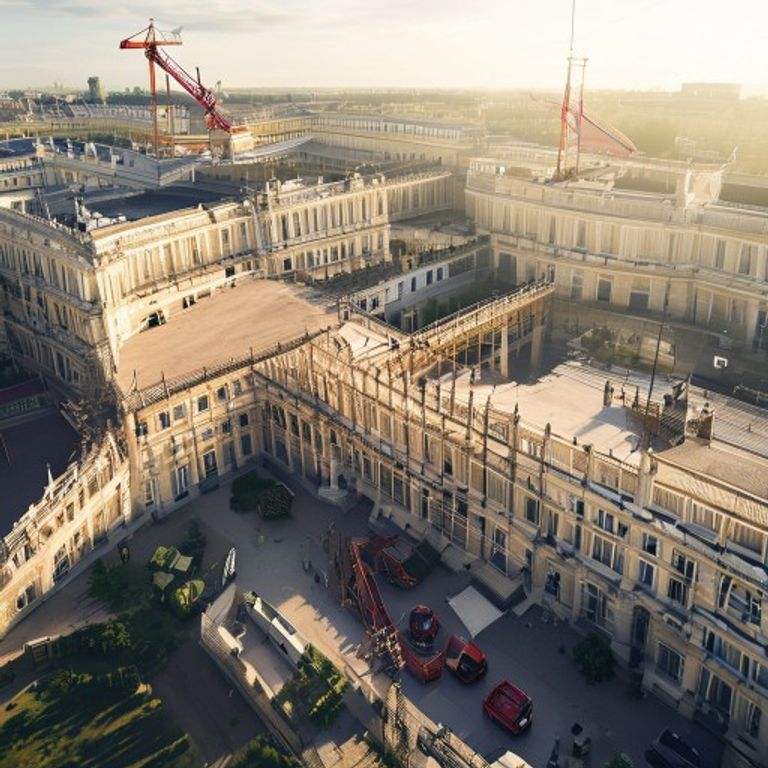
Buckingham Palace Undergoing Historic £369 Million Renovation: Securing a Royal Future
In a monumental undertaking of historic proportions, Buckingham Palace, the iconic administrative headquarters and London residence of the monarch of the United Kingdom, is currently undergoing a comprehensive £369 million infrastructure upgrade. This ambitious Buckingham Palace Renovation project, initiated in April 2017 and slated for completion in 2027, is systematically addressing the antiquated electrical, plumbing, and heating systems that have served the venerable edifice for decades. Far more than a cosmetic refresh, this extensive overhaul is a critical investment designed to future-proof the 775-room palace, ensuring its structural integrity, operational efficiency, and continued enjoyment by future generations of visitors and its royal occupants.
The scale of this renovation is unprecedented in modern times for the Palace. Engineers, architects, and conservation specialists are working in meticulous harmony to navigate the complexities of modernising a building that is both a living piece of history and a bustling working palace. The project, which remarkably proceeds without disrupting the daily functions of the Royal Household or the continuity of state events, represents a delicate balance between preserving historical authenticity and integrating twenty-first-century utilities. NewsMatrix provides an in-depth look into this transformative journey, exploring the intricate details, formidable challenges, and profound implications of this decade-long endeavour.
A Legacy in Stone: The Palace’s Enduring Significance
Buckingham Palace stands as a powerful symbol of the British monarchy, an architectural marvel steeped in centuries of history. Originally built as Buckingham House for the Duke of Buckingham in 1703, it was acquired by King George III in 1761 and subsequently transformed into the official royal residence by King William IV in 1837. Since then, it has been the focal point for national celebrations and mourning, a place where history has been made and witnessed by millions globally. Its rooms have hosted countless heads of state, world leaders, and dignitaries, serving as the backdrop for state banquets, investitures, and garden parties that define the ceremonial aspect of the British Crown.
Beyond its ceremonial roles, the Palace is a thriving hub, housing a significant portion of the Royal Collection, including invaluable artworks, furniture, and historical artifacts. It welcomes hundreds of thousands of tourists annually, offering a glimpse into royal life and British heritage. However, the very age that lends it such profound historical weight has also brought with it the inevitable degradation of its underlying infrastructure. While its façade and state rooms have been meticulously maintained, the unseen arteries of the building have been gradually deteriorating, posing significant risks to the palace’s longevity and the safety of those within its walls.
The Unseen Imperative: Why a £369 Million Overhaul?
For decades, the palace’s vital services – its labyrinthine network of electrical wiring, plumbing, and heating pipes – have been operating on systems largely unchanged since the 1950s. While testament to the engineering of their era, these aging systems are now critically outdated, inefficient, and, crucially, pose significant risks. The electrical wiring, for instance, comprised thousands of metres of rubber-insulated cables, a material now brittle and prone to failure, creating a substantial fire hazard. Estimates suggest up to 100 miles of electrical cable are being replaced.
Similarly, the extensive plumbing system, which comprises over 20 miles of pipework, much of it lead and cast iron, was nearing the end of its operational life. Leaks and bursts were becoming increasingly frequent, threatening not only structural damage but also irreparable harm to the priceless artworks and historical textiles housed within the palace. The heating infrastructure, reliant on a vast and inefficient boiler system, contributed to significant energy waste and failed to provide consistent environmental controls vital for the preservation of delicate collections. Furthermore, the presence of asbestos, a common building material in the mid-20th century, required safe and systematic removal to ensure a healthy environment for staff and visitors.
The decision for such an extensive and costly renovation was not taken lightly. It was a proactive measure based on expert assessments that highlighted the critical need for intervention. Without this comprehensive upgrade, the Palace faced the very real threat of catastrophic failure, potential irreparable damage to its historic fabric, and an escalating bill for emergency repairs that would ultimately far exceed the cost of a planned, preventative overhaul. The £369 million investment, therefore, represents a pragmatic and essential commitment to preserving a national and global treasure.
The Grand Design: What the Renovation Entails
The core of the Buckingham Palace Renovation project is a complete overhaul of the palace’s mechanical and electrical services. This includes:
- Electrical Systems: Replacement of all electrical wiring, switchboards, and distribution systems. This upgrade not only eliminates fire risks but also provides the palace with a robust, modern power infrastructure capable of supporting future technological advancements and increased demand.
- Plumbing and Heating: A complete renewal of the hot and cold water systems, drainage, and heating infrastructure. New, energy-efficient boilers and insulation are being installed, significantly reducing the palace’s carbon footprint and operational costs.
- Data and IT Infrastructure: Integration of cutting-edge data cabling and IT networks, essential for a modern working environment and secure communications.
- Accessibility Improvements: Installation of new lifts and accessible routes to improve access for visitors and staff with disabilities, making the palace more inclusive.
- Asbestos Removal: Safe and systematic removal of asbestos from various parts of the building, adhering to stringent health and safety regulations.
- Energy Efficiency: Significant improvements in thermal insulation and the introduction of LED lighting throughout, contributing to a projected 40% reduction in the palace’s carbon emissions and energy bills.
The project is being managed by the Royal Household, with extensive collaboration from leading conservation architects, structural engineers, and specialist contractors. Each phase is meticulously planned to ensure minimal impact on the palace’s operations and heritage.
A Palace Alive: The Challenge of Continuous Operation
One of the most remarkable aspects of this renovation is that it is being conducted while the palace remains fully operational. Unlike many large-scale refurbishments where buildings are vacated, Buckingham Palace continues to serve as a royal residence and a venue for state events, investitures, and public tours. This necessitates a phased approach, where sections of the palace are isolated and worked on sequentially, allowing other areas to function normally.
This “business as usual” approach presents extraordinary logistical challenges. Workers must operate within strict timeframes and zones, often requiring complex scheduling to avoid royal residents, staff, and visitors. The protection of the Royal Collection is paramount; countless precious items are carefully moved, stored, and protected as work progresses in different areas. Dust and noise pollution are rigorously controlled to maintain the palace’s pristine environment. This continuous operation strategy underscores the palace’s central role in national life and the unwavering commitment to its public duties.
Funding the Future: The Financial Landscape
The £369 million cost of the Buckingham Palace Renovation project is being funded by a temporary uplift in the Sovereign Grant, the payment made by the government to the monarch for official expenses. Traditionally, the Sovereign Grant covers official expenses, property maintenance, and staff costs. For the duration of this specific project (2017-2027), the proportion of Crown Estate profits that goes to the Sovereign Grant has been temporarily increased from 15% to 25%. This mechanism ensures that the costs are met without placing additional direct burden on the taxpayer beyond the existing funding model for the monarchy.
While the sum is substantial, proponents argue it is a necessary long-term investment. Neglecting the repairs would inevitably lead to far greater costs in emergency interventions, and potentially irreversible damage to a property of immense national and international significance. The economic impact of the palace, through tourism and its role in projecting British soft power, is also a consideration, justifying the expenditure for its continued viability.
Engineering Marvel and Conservation Triumph
The renovation is not merely about replacing old with new; it is a profound exercise in conservation and historical preservation. Every intervention is carefully considered to protect the palace’s priceless historical fabric. Specialist conservation architects and heritage experts are integral to the project, ensuring that modern installations are seamlessly integrated without compromising the original aesthetic or historical integrity of the building. This includes matching period features, restoring decorative elements, and using sympathetic materials where appropriate.
The engineering challenges are considerable: installing new, larger pipes and cables through walls and floors built centuries ago, often without detailed original plans. This requires extensive preliminary research, scanning, and meticulous planning to avoid damaging hidden structures or services. The ingenuity of the engineers lies in their ability to weave modern infrastructure into an antique shell, often employing innovative techniques to navigate tight spaces and challenging structural elements. It is a testament to contemporary engineering capabilities working hand-in-hand with a deep respect for heritage.
Beyond the Bricks: Long-Term Impact and Benefits
Upon its completion in 2027, the Buckingham Palace Renovation will deliver a multitude of benefits:
- Longevity and Safety: The palace will be safeguarded for at least another 50 years, mitigating risks of fire, flood, and structural failure.
- Energy Efficiency: A significant reduction in carbon emissions and energy consumption, contributing to environmental sustainability goals.
- Improved Visitor Experience: Enhanced accessibility, modern facilities, and a more comfortable environment for the millions of visitors who tour the State Rooms annually.
- Preservation of Heritage: The priceless Royal Collection and the palace’s architectural grandeur will be protected from environmental degradation.
- Modern Working Environment: Royal Household staff will benefit from updated facilities, improved connectivity, and a safer workspace.
This project is more than just a renovation; it’s an act of stewardship, ensuring that Buckingham Palace can continue its role as a symbol of national identity, a working royal residence, and a globally recognized monument for decades to come.
A Glimpse into the Future: The Palace Post-2027
As the project progresses towards its anticipated completion in 2027, the vision for Buckingham Palace is one of enhanced resilience and functionality. The Palace will emerge from this decade-long transformation as a modernized yet historically authentic landmark, capable of meeting the demands of the 21st century while retaining its profound connection to the past. The complex interplay of tradition and progress, visible in every new pipe and wire installed, underscores a commitment to both the enduring legacy of the monarchy and the practicalities of a sustainable future.
The culmination of this ambitious project will not only secure the physical structure of the Palace but also reinforce its symbolic power on the world stage. It ensures that the ceremonial heart of the United Kingdom will continue to beat strongly, ready to host state occasions, welcome international visitors, and stand as a beacon of British heritage for generations yet unborn. The public will benefit from an even more secure and accessible landmark, one where history is both preserved and prepared for the future.
Conclusion
The £369 million Buckingham Palace Renovation is an extraordinary feat of engineering, conservation, and strategic planning. It is a testament to the foresight required to maintain assets of such immense cultural and historical value. By meticulously upgrading its core infrastructure while maintaining its daily functions, the project ensures that Buckingham Palace will remain a safe, efficient, and magnificent centre of the British monarchy for many decades to come. This investment is not just in bricks and mortar, but in the enduring legacy of a nation, safeguarding a vital piece of world heritage for the enjoyment and education of future visitors and the continued proud service of the Royal Family.