
 By NewsMatrix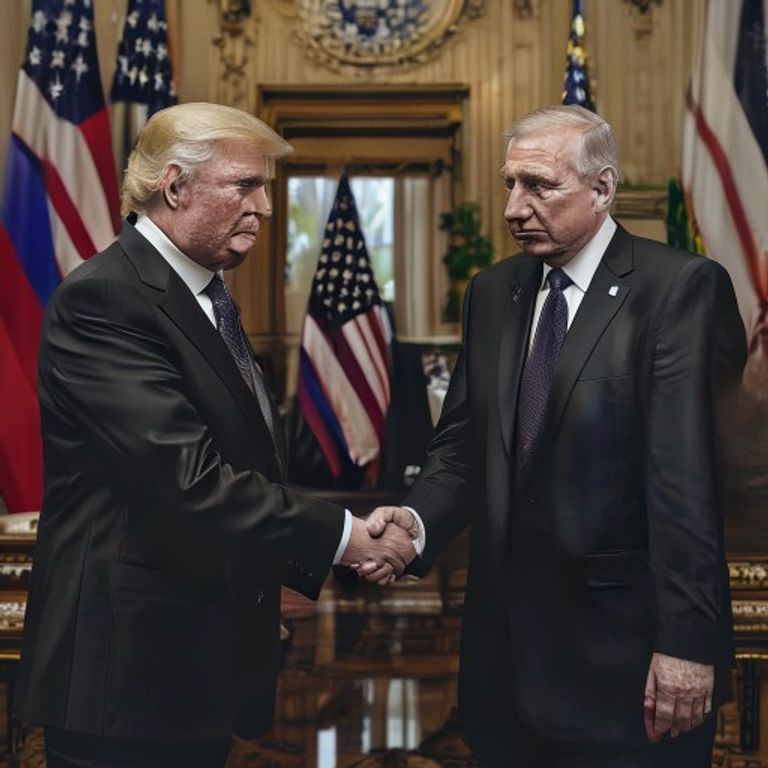
President Trump Hosts Ukrainian and Israeli Leaders Amidst Regional Tensions and Somber Tributes
Washington D.C. served as a poignant backdrop today as President Trump welcomed the leaders of Ukraine and Israel for pivotal discussions on ongoing conflicts and the intricate landscape of regional security. The high-stakes diplomatic engagements unfolded against the somber occasion of Senator Graham’s funeral, a shared moment of respect that underscored the gravity and multi-faceted nature of their visit. These crucial meetings represent significant US diplomatic efforts aimed at fostering stability in volatile regions, navigating complex alliances, and addressing pressing global security challenges. The confluence of solemn remembrance and urgent statecraft highlights the continuous demands on international leadership, even amidst personal and national mourning.
A Dual Purpose Visit: Mourning and Statecraft
The presence of both Ukrainian President Volodymyr Zelenskyy and Israeli Prime Minister Benjamin Netanyahu in Washington D.C. simultaneously is a rare occurrence, made even more unique by the circumstances. Their primary reason for travel was to pay final respects to Senator Lindsey Graham, a long-serving and influential figure in American foreign policy, whose passing has left a notable void on Capitol Hill. Graham was a staunch advocate for strong US alliances and played a significant role in shaping discourse on both Eastern European and Middle Eastern security. However, the opportunity for direct, high-level engagement with President Trump could not be overlooked, transforming a visit of mourning into an urgent diplomatic summit. This dual purpose underscored the perpetual intersection of personal and geopolitical realities, where moments of reflection often pave the way for critical conversations that define the future of international relations.
The discussions at the White House are anticipated to delve into the core of existing geopolitical flashpoints. For Ukraine, the persistent conflict with Russia in its eastern territories and the ongoing occupation of Crimea remain central concerns, demanding continuous international support and strategic clarity. For Israel, the multifaceted security threats posed by Iran, including its nuclear ambitions and regional proxy activities, along with the broader quest for peace and normalization in the Middle East, dominate its strategic agenda. President Trump’s decision to host both leaders on the same day signals a concentrated effort by the administration to address these critical issues directly, leveraging the unique convergence of circumstances to advance America’s strategic interests and global stability.
Ukraine’s Urgent Agenda: Sovereignty and Support
President Zelenskyy’s visit comes at a critical juncture for Ukraine. The nation continues to grapple with Russian aggression, a conflict that has displaced millions and claimed thousands of lives. His discussions with President Trump are expected to focus heavily on renewing and strengthening American military and financial aid, crucial for Ukraine’s defense capabilities and economic stability. Zelenskyy will undoubtedly seek assurances of unwavering US support for Ukraine’s territorial integrity and sovereignty, particularly in the face of ongoing challenges to its independence. The strategic partnership with the United States is paramount for Kyiv, providing a vital counterbalance to Moscow’s influence and reinforcing international sanctions regimes against Russia.
Beyond the White House meeting, President Zelenskyy is scheduled to engage with members of Congress on Capitol Hill. This leg of his visit is equally significant, aiming to cultivate bipartisan support for Ukraine’s cause. Meeting with key congressional leaders and committees will allow Zelenskyy to directly convey the realities on the ground, advocate for continued legislative backing for aid packages, and reinforce the moral imperative of assisting a democratic nation under duress. The recent shifts in congressional priorities and the upcoming election cycle make direct appeals to lawmakers even more vital for securing long-term commitments. His presence on Capitol Hill, following a high-profile meeting with the President, is designed to send a clear message of Ukrainian resilience and the enduring importance of its alliance with the United States.
Key topics in the Ukrainian discussions will likely include:
- Review of current military assistance programs and future needs.
- Sanctions policy against Russia and its effectiveness.
- Diplomatic pathways for conflict resolution in Donbas and Crimea.
- Economic reforms and investment opportunities in Ukraine.
- Strengthening Ukraine’s energy security and resilience.
Israel’s Strategic Imperatives: Iran and Peace Accords
Prime Minister Netanyahu’s agenda for his Washington visit is equally packed, centered on Israel’s enduring security concerns and its ambitions for regional peace. The primary focus of his discussions with President Trump is anticipated to be the escalating tensions with Iran. Israel views Iran’s nuclear program and its extensive network of proxy forces across the Middle East as an existential threat. Netanyahu will likely seek reinforced American commitment to preventing Iran from acquiring nuclear weapons and to countering its destabilizing activities in Syria, Lebanon, and Yemen. This includes discussions on intelligence sharing, joint military exercises, and coordinated diplomatic pressure on Tehran.
Another cornerstone of Netanyahu’s visit is the advancement of regional peace accords. Building upon the success of previous normalization agreements, the Prime Minister aims to explore avenues for expanding these historic pacts with other Arab nations. These agreements, brokered by the United States, have fundamentally reshaped the geopolitical landscape of the Middle East, fostering new alliances and economic cooperation. Netanyahu will seek President Trump’s continued leadership and diplomatic efforts to facilitate further breakthroughs, believing that a broader network of peace agreements is crucial for Israel’s long-term security and regional stability. The US role as a mediator and guarantor in these processes is indispensable.
Key aspects of the Israeli discussions are expected to cover:
- Strategies to counter Iran’s nuclear proliferation and regional influence.
- Enhancing security cooperation between the US and Israel.
- Expanding the Abraham Accords to include additional Arab states.
- Addressing the humanitarian situation and security challenges in Gaza and the West Bank.
- Bilateral economic cooperation and technological partnerships.
The American Role: Balancing Interests and Leadership
President Trump’s engagement with both leaders underscores the intricate and often delicate balance of American foreign policy. The United States maintains deep strategic interests in both Eastern Europe and the Middle East, regions fraught with complex historical grievances, ongoing conflicts, and competing global powers. For Ukraine, the US stands as a vital guarantor of sovereignty and a bulwark against Russian expansionism. For Israel, the US is its most steadfast ally, providing crucial security assistance and diplomatic backing in a volatile neighborhood. These meetings serve as a platform for President Trump to reaffirm American commitments, articulate his administration’s strategic vision, and directly engage with key partners on urgent matters.
The administration’s approach often emphasizes a transactional yet strategic foreign policy, prioritizing perceived American interests while simultaneously engaging in high-level diplomacy. This particular set of meetings exemplifies such an approach, converting a ceremonial visit into an opportunity for substantial geopolitical dialogue. The discussions are not merely about bilateral relations but also about projecting American leadership on the global stage, demonstrating a willingness to mediate, support allies, and confront adversaries. The outcome of these talks will be closely watched by international observers, as they could signal shifts in US foreign policy priorities or reinforce existing commitments.
The backdrop of Senator Graham’s funeral adds a unique dimension to these diplomatic overtures. It serves as a stark reminder of the continuity of foreign policy challenges across administrations and the enduring bipartisan consensus on many international issues, even amidst political divisions. Graham himself was a prominent voice on both Ukrainian and Israeli affairs, advocating for robust American engagement. His legacy, in a way, provides an unspoken framework for the discussions, emphasizing the long-term commitment of the US to its allies and to the principles of freedom and security.
Challenges, Opportunities, and Broader Implications
The path forward in both Ukraine and the Middle East is fraught with challenges. In Ukraine, achieving a lasting peace settlement that respects its territorial integrity remains an elusive goal, complicated by Russia’s entrenched positions and the ongoing low-intensity conflict. For Israel, navigating the myriad threats from state and non-state actors, while simultaneously pursuing broader normalization, requires immense diplomatic skill and sustained international support. The domestic political landscapes in all three nations—the US, Ukraine, and Israel—also add layers of complexity, as leaders must balance international demands with the expectations of their respective electorates.
However, opportunities for progress exist. The direct engagement between President Trump and the two leaders provides a unique chance to recalibrate strategies, explore new diplomatic avenues, and potentially unlock breakthroughs that might otherwise be difficult to achieve. Even incremental advancements on issues like security cooperation, humanitarian aid, or economic development can have significant positive impacts. The discussions could lead to renewed frameworks for negotiations, enhanced intelligence sharing, or expanded economic partnerships that bolster regional stability and prosperity.
The broader implications of these meetings extend beyond the immediate concerns of Ukraine and Israel. They serve as a testament to the enduring importance of personal diplomacy at the highest levels of government. In an increasingly interconnected and often volatile world, direct communication between heads of state can mitigate misunderstandings, build trust, and forge common ground on issues of global significance. The outcome of these US diplomatic efforts will not only impact the regions directly concerned but also send signals to other international actors about the resolve and strategic direction of American foreign policy. The world watches keenly as these critical dialogues unfold, hoping for steps towards a more secure and peaceful international order.
Conclusion: A Nexus of Diplomacy and Remembrance
Today’s events in Washington D.C. have woven a complex tapestry of diplomacy and remembrance. President Trump’s meetings with the Ukrainian and Israeli leaders, set against the backdrop of Senator Graham’s funeral, underscore the relentless demands of international leadership. From the ongoing conflict in Ukraine to the intricate security challenges in the Middle East, the discussions have touched upon the most pressing geopolitical issues of our time. Both President Zelenskyy’s subsequent visit to Capitol Hill and Prime Minister Netanyahu’s focus on Iran and peace accords highlight the multifaceted nature of their respective missions, extending beyond the White House to encompass broader US engagement.
These crucial dialogues represent a concentrated effort in US diplomatic efforts to navigate an increasingly complex global landscape. While immediate breakthroughs are often difficult to achieve, the very act of high-level engagement fosters dialogue, clarifies positions, and strengthens alliances. The coming days and weeks will reveal the tangible outcomes of these pivotal discussions, but their significance as a moment of converged purpose – a tribute to a statesman and an urgent pursuit of peace and security – is undeniable. The path to lasting stability in these volatile regions is long and arduous, but today’s summit marks a vital step in that ongoing journey, reaffirming the indispensable role of American leadership in global affairs.