
 By NewsMatrix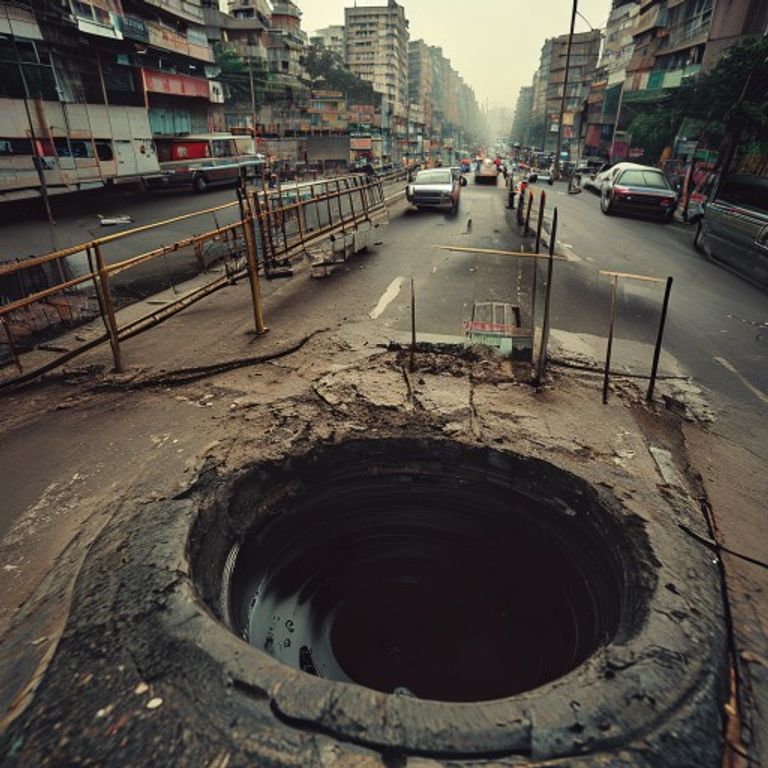
Delhi’s Deadly Oversight: Unpacking the Crisis of Civic Negligence Claiming Young Lives
NEW DELHI – The vibrant pulse of India’s capital, Delhi, is often overshadowed by a recurring tragedy: the preventable loss of young lives due to systemic civic failures. A pervasive culture of neglect, evidenced by perilous open drains and unsecured construction sites, transforms ordinary urban spaces into death traps for unsuspecting commuters, pedestrians, and particularly children. These heart-wrenching incidents, far from being isolated accidents, are stark reminders of a critical lack of essential safety measures and robust enforcement. The issue of Delhi Civic Negligence isn’t merely an administrative oversight; it’s a public safety crisis demanding immediate and comprehensive reform from the myriad agencies and contractors who share responsibility for these ongoing, fatal lapses.
The Urban Minefield: Open Drains and Unsafe Construction
Delhi’s rapid urbanization and sprawling infrastructure projects, while symbols of progress, frequently come with a grim underside. Open drains, often left uncovered or poorly maintained across residential areas, commercial hubs, and even main thoroughfares, are perhaps the most insidious of these hazards. During the monsoon season, when streets flood rapidly, these become invisible death traps, swallowing unsuspecting individuals who misstep into their murky depths. Children, drawn to water or simply playing, are especially vulnerable. The lack of standardized, heavy-duty covers, coupled with a lax approach to routine inspection and repair, transforms these vital drainage systems into a grave threat.
Equally perilous are the numerous construction sites that dot Delhi’s landscape. From ambitious flyovers and metro extensions to private building developments, these sites are often characterized by a shocking disregard for basic safety protocols. Unsecured perimeters allow easy access, especially for curious youngsters. Unguarded excavations become open pits, while a lack of netting or proper scaffolding leads to falling debris that can cause severe injury or death to those passing by. Warning signs are frequently absent, illegible, or ignored. The transient nature of construction work, with multiple subcontractors often involved, complicates accountability, creating an environment where safety shortcuts become tragically common.
Consider the countless reports of pedestrians falling into open manholes, cyclists being flung from their bikes due to missing drain covers, or construction workers and passers-by succumbing to injuries from collapsing structures or falling materials. Each incident is a story of a life cut short, a family shattered, and a community left questioning the value placed on human safety. These aren’t mere accidents; they are the foreseeable consequences of prolonged and systematic negligence, a failure to uphold the most fundamental duties of civic governance and corporate responsibility.
A Tangled Web of Responsibility and Inaction
The complexity of Delhi’s administrative structure often serves as a convenient smokescreen for accountability. Multiple agencies – including the Municipal Corporations of Delhi (MCD), the Public Works Department (PWD), the Delhi Development Authority (DDA), and various state and central government bodies – share jurisdiction over different aspects of urban infrastructure. This fragmentation often leads to a blame game, where responsibility is shirked, and urgent repairs are delayed indefinitely. Contractors, often awarded tenders based on competitive bidding, are frequently accused of cutting corners on safety to minimize costs and maximize profits, with insufficient oversight from the awarding agencies.
The enforcement mechanisms designed to ensure compliance with safety standards appear woefully inadequate. Regular inspections are either perfunctory or non-existent. Penalties for violations are often too lenient to act as a deterrent, or they are inconsistently applied. The system is plagued by bureaucratic inefficiencies, a lack of inter-agency coordination, and, in some cases, allegations of corruption, where safety clearances might be obtained without genuine adherence to regulations. This systemic breakdown creates a fertile ground for negligence to flourish, turning basic civic duties into deadly gambles.
For instance, an open drain might fall under the jurisdiction of the local MCD, but a connecting road might be maintained by the PWD. A construction site might be approved by the DDA, but its safety compliance falls under another department. This labyrinthine division of power makes it incredibly difficult for citizens to seek redress or even identify the responsible party when a tragedy strikes. The result is a cycle of inaction, where problems persist, and lives continue to be lost due to an unwillingness or inability to streamline accountability.
The Human Cost and Growing Public Outcry
Beyond the statistics and administrative jargon lies the profound human cost of these preventable tragedies. Each life lost leaves an indelible void in families and communities. Parents mourn children snatched away by a momentary lapse of infrastructure. Spouses and siblings grapple with the sudden absence of loved ones due to utterly avoidable hazards. The emotional trauma, coupled with the financial burden of medical expenses or the loss of a breadwinner, plunges families into despair. These incidents foster a deep sense of injustice, as victims and their kin often find themselves navigating a bureaucratic maze in their quest for accountability and compensation.
The recurring nature of these incidents has also fueled a growing public outcry. Citizens, activists, and media organizations have consistently highlighted the dangers, demanding greater transparency, stricter enforcement, and swifter action from authorities. Social media platforms often become a forum for sharing images of civic hazards, putting pressure on local bodies to respond. While some reactive measures are occasionally taken, the underlying systemic issues remain unaddressed, leading to a renewed sense of frustration and cynicism among the populace regarding the government’s commitment to public safety.
This erosion of trust is a significant consequence. When basic civic amenities become sources of peril, it undermines the social contract between citizens and the state. Residents expect a safe environment, and when that expectation is repeatedly betrayed, it impacts their quality of life, their sense of security, and their faith in governance. The psychological toll of living in an environment where everyday infrastructure poses a fatal risk is immeasurable, perpetuating a state of heightened anxiety for many Delhiites.
Urgent Need for Systemic Reform and Consistent Implementation
The tragic regularity of deaths due to Delhi Civic Negligence underscores the urgent need for comprehensive and sustained systemic reforms. Piecemeal solutions and reactive measures are clearly insufficient. A paradigm shift is required, moving from a culture of reactive firefighting to proactive prevention.
Firstly, there must be a clear delineation of responsibilities among all civic agencies. A single, accountable nodal agency or a robust inter-agency coordination mechanism with clear mandates and timelines is essential. This would prevent the current blame game and ensure that critical safety issues are addressed promptly.
Secondly, the implementation of standardized, non-negotiable safety protocols for both public infrastructure maintenance (like drain covers) and construction sites is paramount. These protocols should be accompanied by stringent, regular, and unannounced inspections by independent third-party auditors, not just internal departmental staff. Any violations should trigger immediate cessation of work and substantial penalties that act as a genuine deterrent, potentially including blacklisting repeat offenders.
Technological solutions can play a significant role. GIS mapping of all drains, manholes, and critical infrastructure points can enable real-time monitoring of their condition and maintenance schedules. Drones and AI-powered surveillance can assist in monitoring large construction sites for safety compliance. Public reporting mechanisms, integrated with civic agency response systems, could empower citizens to report hazards quickly and efficiently, with a guarantee of timely action.
Furthermore, there is a critical need for enhanced public awareness campaigns, educating citizens about reporting hazards and understanding their rights. Legal frameworks should be strengthened to ensure swift justice and adequate compensation for victims, holding negligent parties fully accountable. This includes criminal liability where gross negligence results in loss of life.
The consistent implementation of safety standards is not merely a bureaucratic task; it is an ethical imperative. Every life lost due to a preventable civic failure is a stain on the conscience of the city. Delhi, a metropolis aspiring to global standards, must first ensure the fundamental safety of its own citizens. The time for deliberation is over; the time for decisive, unwavering action to protect its young and its vulnerable is now. Only through a concerted, sustained effort can Delhi truly shed the tag of a city where civic negligence tragically claims lives, and instead, become a beacon of safety and responsible urban governance.