
 By NewsMatrix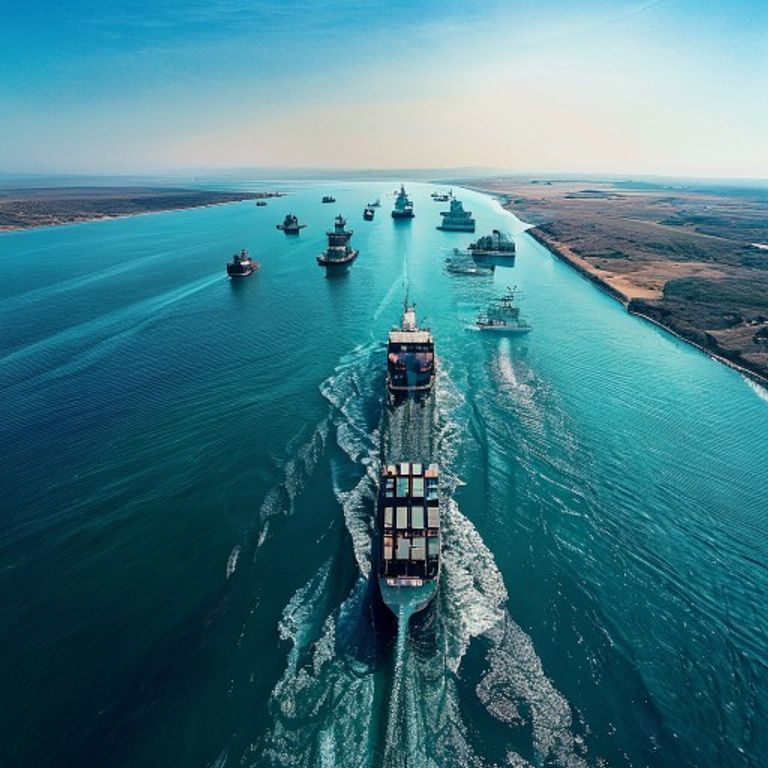
Strait of Hormuz Closure Triggers Global Oil Supply Crisis
The global energy landscape was plunged into unprecedented turmoil in early March following the effective closure of the Strait of Hormuz, a critical maritime choke point through which a significant portion of the world’s seaborne crude oil passes. This abrupt disruption left dozens of tankers carrying vital crude from Gulf producers stranded in the Persian Gulf, forcing refiners worldwide into an urgent and frantic scramble to secure alternative supplies. The event sent shockwaves through international markets, reigniting long-standing fears about energy security and exposing the profound vulnerabilities inherent in global supply chains. The **Strait of Hormuz closure** immediately escalated geopolitical tensions, demonstrating the fragile balance of power in one of the most strategically important regions on Earth.
A Choke Point of Unparalleled Strategic Importance
The Strait of Hormuz, a narrow waterway connecting the Persian Gulf with the Arabian Sea and the open ocean, is arguably the most strategically important maritime passage for global energy supplies. Approximately one-fifth of the world’s total petroleum liquids consumption, or about 21 million barrels per day (b/d), flowed through this strait in 2018, according to the U.S. Energy Information Administration (EIA). This includes nearly all oil exports from Saudi Arabia, Iran, Iraq, Kuwait, Qatar, and the United Arab Emirates. Its closure, even if temporary, represents an economic and geopolitical earthquake, capable of crippling industrial economies and triggering a global recession. The history of the strait is rife with periods of tension, from the “Tanker War” during the Iran-Iraq War in the 1980s to more recent confrontations involving naval forces, underscoring its perennial status as a flashpoint.
The recent incident, however, transcended previous flare-ups in its immediate and profound impact. Unlike prior skirmishes or threats, the early March closure was comprehensive, effectively halting commercial shipping traffic. This wasn’t merely a slowdown or a diversion of a few vessels; it was a near-complete cessation for oil tankers, creating an immediate and critical supply deficit that reverberated from crude oil futures trading floors to national energy ministries. The mechanism of the closure, whether through direct military action, unforeseen technical failures, or a combination of factors, remained a subject of intense speculation and concern among global leaders and analysts.
Immediate Aftershocks: Stranded Tankers and Soaring Prices
The immediate visual evidence of the crisis was stark: satellite imagery and maritime tracking data showed an unprecedented cluster of oil tankers anchored or drifting within the Persian Gulf, unable to proceed through the strait. Each day of delay represented millions of barrels of crude not reaching their intended destinations, primarily refineries in Asia and Europe.
- Oil Price Volatility: Global crude oil benchmarks, Brent and WTI, reacted with extreme volatility. Prices surged by over 20% in the immediate aftermath, shattering market stability and threatening to ignite inflationary pressures worldwide. Energy analysts quickly revised their price forecasts upwards, with some predicting WTI could touch $150 a barrel if the closure persisted for an extended period.
- Refiner Panic: Refiners, particularly those heavily reliant on Middle Eastern crude, found themselves in an immediate bind. Asian giants like China, India, Japan, and South Korea, which import a substantial portion of their oil from the Gulf, faced the most acute challenges. European refiners, while having more diversified sources, also felt the squeeze as global supplies tightened and prices escalated. The urgency spurred a frantic search for alternative supplies from West Africa, the North Sea, and even as far afield as Latin America, leading to increased shipping costs and fierce competition.
- Logistical Nightmares: The closure created an instant logistical nightmare. Shipping companies grappled with rerouting vessels, extended journey times, and skyrocketing insurance premiums for the few ships willing or able to navigate alternative, longer routes around the Arabian Peninsula, effectively adding weeks to delivery schedules.
Global Ripple Effects: From Asia to the Americas
While the initial impact was felt most acutely by countries directly dependent on Persian Gulf oil, the interconnected nature of the global energy market ensured that the crisis quickly became a worldwide concern.
Asia’s Predicament: Nations across Asia, particularly those with rapidly growing economies and limited domestic oil production, were hit hardest. India, a major importer of Gulf oil, faced a dual challenge of securing alternative crude and managing the inflationary impact of higher energy costs on its burgeoning economy. China, with its vast strategic petroleum reserves, had some breathing room but still faced immense pressure to diversify its long-term energy strategy. Japan and South Korea, already sensitive to energy security due to their geographical isolation and industrial reliance on imports, immediately activated emergency response protocols.
European Concerns: European Union members, while less reliant on Hormuz for their direct crude imports compared to Asia, still faced the ripple effect of global price increases and supply reallocations. Their focus shifted to ensuring stability in North Sea production and maintaining diplomatic channels to de-escalate the situation. The crisis underscored the continent’s ongoing challenge of energy diversification, particularly in light of recent geopolitical events impacting Russian gas supplies.
The Americas and Beyond: Even North and South America, with their growing domestic production and diverse supply sources, were not immune. The global nature of oil pricing meant higher pump prices for consumers and increased operating costs for businesses. Furthermore, the crisis highlighted the critical role of the U.S. as a global swing producer, with calls for increased domestic output to help stabilize international markets. Strategic Petroleum Reserves (SPRs) in the U.S. and other nations became a subject of intense discussion, with calls for their release to temper price surges.
Geopolitical Ramifications and Diplomatic Efforts
The effective closure of the Strait of Hormuz immediately amplified geopolitical tensions in the Middle East and beyond. Accusations and counter-accusations regarding responsibility for the disruption flew between regional and international powers. The incident threatened to unravel delicate diplomatic efforts and alliances, prompting urgent consultations among the UN Security Council, G7 nations, and other international bodies.
- Regional Instability: The Persian Gulf, already a region grappling with complex rivalries, proxy conflicts, and nuclear proliferation concerns, became the epicenter of intense diplomatic activity. Nations with vested interests, including Saudi Arabia, Iran, and the UAE, found themselves at the forefront of a crisis that directly impacted their economic lifelines.
- International Mediation: Major global powers, including the United States, China, Russia, and European nations, initiated intensive diplomatic efforts to de-escalate the situation and seek a rapid resolution to reopen the strait. The fear was that prolonged closure could lead to military intervention, further destabilizing the region and potentially igniting a broader conflict.
- Energy Security Redux: For many nations, the crisis served as a stark reminder of their vulnerability to disruptions in critical maritime passages. It reignited debates about the need for greater energy independence, diversification of supply routes, and investment in alternative energy sources to reduce reliance on volatile regions.
Pathways to Resolution and Long-Term Implications
As the world grappled with the immediate ramifications, focus also turned to potential pathways to resolve the crisis and the long-term implications for global energy strategy.
Diplomatic Breakthroughs: The primary hope for a swift resolution rested on intensive diplomatic engagement. Secret negotiations, backchannel communications, and public appeals from international organizations aimed at brokering a ceasefire or an agreement to allow safe passage were paramount. The economic toll on all parties involved, including the nations bordering the strait, provided a strong incentive for de-escalation.
Alternative Supply Channels: While the Strait of Hormuz is irreplaceable in its capacity, alternative oil pipelines that bypass the strait gained renewed attention. Projects like the Abqaiq-Yanbu oil pipeline in Saudi Arabia or the Habshan-Fujairah oil pipeline in the UAE, while having limited capacity compared to seaborne trade, became critical backup options, albeit with logistical complexities and increased costs.
Strategic Petroleum Reserves: Several nations announced readiness to tap into their Strategic Petroleum Reserves (SPRs) to mitigate supply shortages and stabilize prices. Coordinated releases, if implemented, could provide temporary relief but would not be a long-term solution to a prolonged closure.
Accelerating Energy Transition: In the long run, the incident is likely to accelerate the global energy transition away from fossil fuels. The inherent volatility and geopolitical risks associated with oil and gas supplies from politically sensitive regions will undoubtedly strengthen the case for greater investment in renewable energy sources, energy efficiency, and decentralized power generation. This crisis could be a catalyst for more aggressive climate action, driven by energy security concerns rather than solely environmental ones.
Conclusion: A Wake-Up Call for Global Energy Security
The effective closure of the Strait of Hormuz in early March serves as a profound wake-up call for the global community. It starkly illustrates the fragility of the world’s energy supply arteries and the cascading impact that a single choke point disruption can have on economies, politics, and daily life across continents. While the immediate focus remains on de-escalation and reopening the strait, the long-term lessons are clear: resilience in energy supply chains, diversification of sources, and a steadfast commitment to diplomatic solutions are not merely desirable but absolutely essential for global stability. The incident underscores the urgent need for international cooperation to safeguard critical maritime passages and to accelerate the transition towards a more secure and sustainable energy future, lessening the world’s dependence on such vulnerable lifelines.