
 By NewsMatrix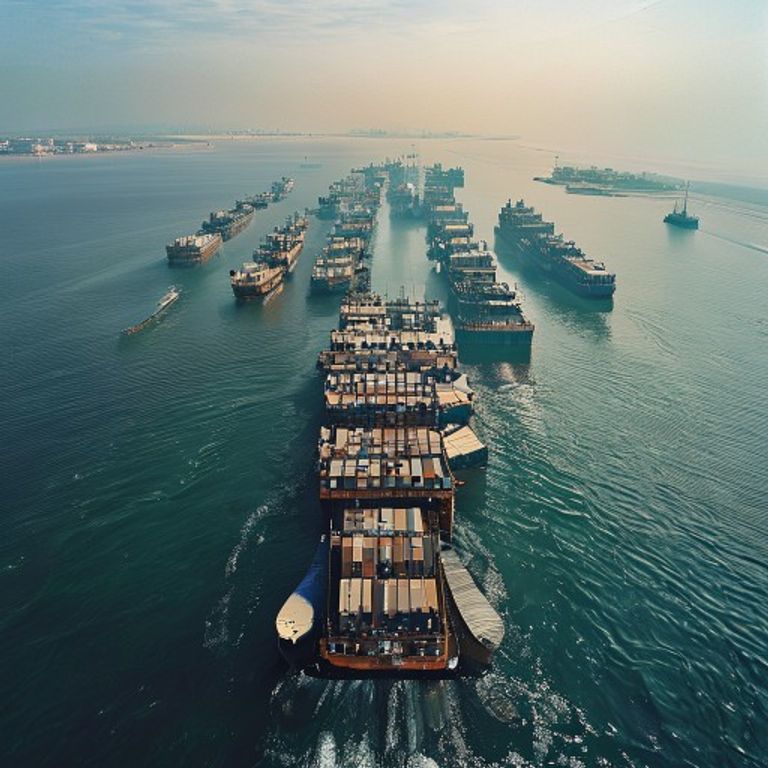
Global Energy Crisis Looms as Strait of Hormuz Closure Strands Tankers
In an event that sent immediate tremors through the global energy landscape, the effective
the Strait of Hormuz closure
in early March brought maritime traffic to a grinding halt, leaving dozens of oil tankers carrying crude from major Gulf producers stranded indefinitely within the confines of the Persian Gulf. This unprecedented disruption compelled refiners across the globe to embark on an urgent and desperate scramble to secure alternative crude supplies, exposing the profound vulnerabilities inherent in the world’s energy supply chains. The incident, which unfolded rapidly and dramatically, has not only created an immediate crisis for the oil industry but has also reignited intense debates and concerns regarding energy security, geopolitical stability, and the precarious reliance of the global economy on a single, highly strategic, and increasingly contested maritime chokepoint.
The Unfolding Crisis: A Global Chokepoint Under Siege
The Strait of Hormuz, a narrow waterway approximately 33 kilometers wide at its narrowest point, connects the Persian Gulf to the Arabian Sea and beyond. It is, without hyperbole, the world’s most critical oil transit chokepoint. An estimated one-fifth of global oil consumption, roughly 21 million barrels per day, passes through this strait. This staggering volume includes crude oil, petroleum products, and liquefied natural gas (LNG) from key producers such as Saudi Arabia, Iran, Iraq, Kuwait, Qatar, and the UAE. Its effective closure, regardless of the cause, translates almost instantly into a full-blown international crisis, with far-reaching economic and political ramifications that extend to every corner of the planet.
The sudden cessation of passage through the strait in early March immediately triggered a cascade of disruptions. Tankers, some laden with millions of barrels of crude, found themselves unable to exit the Persian Gulf. Satellite imagery and maritime tracking data quickly illustrated a growing bottleneck of vessels, creating an unprecedented spectacle of idled giants awaiting a resolution. This physical stagnation was quickly mirrored in financial markets, where global oil prices surged dramatically. Benchmark crude futures, including Brent and West Texas Intermediate (WTI), experienced their sharpest single-day gains in years, reflecting acute market anxiety over potential shortages and the immediate loss of a substantial portion of global supply.
Refiners in Distress: The Scramble for Alternatives
The impact on global refiners was immediate and severe. Operations, particularly in Asia, which is heavily reliant on Middle Eastern crude, faced the grim prospect of significant production cuts. Nations like China, India, Japan, and South Korea, whose economies are powered by a steady flow of Gulf oil, found their established supply lines abruptly severed. Refining companies were forced to activate emergency protocols, exploring every conceivable avenue for alternative crude sources.
The search for alternatives proved challenging on multiple fronts. While regions such as West Africa, the North Sea, and North America (primarily the Permian Basin’s shale output) possess significant crude reserves, rerouting supplies is a logistical nightmare. It involves securing scarce alternative tankers, negotiating new contracts at vastly inflated prices, and contending with longer transit times. Furthermore, many refineries are specifically configured to process certain grades of crude oil, meaning a sudden switch to different varieties from other regions can incur additional costs for retooling or lead to less efficient operations. The quality and chemical composition of crude oil vary significantly by origin, and not all crude types are interchangeable without substantial adjustments to refinery processes.
Moreover, the sheer volume of crude that typically traverses the Strait of Hormuz is difficult to replace quickly. Even if alternative supplies could be sourced, the global tanker fleet and port infrastructure might struggle to manage such a massive and sudden reallocation. This bottleneck on the demand side for alternative crude, coupled with the supply shock from the Gulf, created a perfect storm for price volatility and heightened uncertainty across the entire energy value chain.
Economic Fallout and Geopolitical Ripple Effects
The economic repercussions of the
the Strait of Hormuz closure
extended far beyond the oil and gas sector. Elevated energy costs translate directly into higher operational expenses for industries worldwide. Transportation and logistics companies faced immediate fuel price hikes, which quickly filtered down to consumers through increased prices for goods and services. Manufacturing sectors, particularly those with energy-intensive processes, saw their input costs soar, threatening profit margins and potentially leading to production slowdowns or layoffs. The specter of inflation, already a concern in many economies, loomed larger than ever, threatening to derail nascent economic recoveries or exacerbate existing downturns.
On the geopolitical front, the closure immediately heightened regional tensions. The Strait of Hormuz has long been a flashpoint, situated amidst complex political rivalries and historical disputes. The incident raised questions about the security of international waters, freedom of navigation, and the potential for escalation. International bodies and major powers swiftly engaged in diplomatic efforts, emphasizing the critical importance of ensuring the free flow of commerce through this vital artery. Naval forces in the region were reportedly placed on heightened alert, underscoring the delicate balance of power and the ever-present risk of miscalculation in such a volatile environment.
The crisis also tested the strength of existing international alliances and energy security frameworks. Discussions among G7 nations and other major oil-consuming countries focused on coordinated responses, including the potential release of strategic petroleum reserves (SPRs) to mitigate immediate supply shortages and calm market nerves. However, the sheer scale of the disruption highlighted the limitations of even these emergency measures when faced with a prolonged or significant interruption to such a critical supply route.
Long-Term Implications for Global Energy Security
Beyond the immediate firefighting, the
the Strait of Hormuz closure
serves as a potent wake-up call, compelling a re-evaluation of global energy security strategies. For years, experts have warned about the over-reliance on this single chokepoint. While some bypass options exist, such as the UAE’s Abu Dhabi Crude Oil Pipeline to Fujairah on the Gulf of Oman, their current capacity is insufficient to fully compensate for a sustained closure of the Strait. This incident will undoubtedly accelerate investments in and the expansion of such alternative routes, though these projects are capital-intensive and time-consuming.
Furthermore, the crisis lends renewed urgency to the global push for energy diversification and the transition to renewable energy sources. Reducing dependence on fossil fuels, particularly those sourced from geopolitically sensitive regions, is no longer just an environmental imperative but a crucial component of national and international security. Governments and corporations may now increase their investments in solar, wind, nuclear, and other alternative energy technologies, aiming to build more resilient and localized energy systems less susceptible to distant geopolitical shocks.
The event also underscores the need for robust international cooperation and enhanced maritime security frameworks. Ensuring the safe passage of commercial vessels through vital international waterways requires collective commitment, intelligence sharing, and potentially, joint security initiatives. The lessons learned from this particular closure will inform future strategies for safeguarding other critical maritime chokepoints around the world.
Conclusion: A Clarion Call for Resilience
The early March
the Strait of Hormuz closure
stands as a stark and unequivocal reminder of the inherent volatility in global energy markets and the delicate geopolitical balance that underpins the world’s economic stability. While immediate efforts are rightly concentrated on resolving the current impasse and restoring the flow of vital crude supplies, the incident demands a deeper, more strategic re-assessment. It highlights the imperative for a long-term vision that encompasses not only diversified energy sources and resilient transit routes but also strengthened international cooperation and proactive diplomacy.
The global community watches with bated breath as the situation unfolds, keenly aware that the implications of this disruption extend far beyond the immediate economic costs and the oil tankers currently languishing in the Persian Gulf. This crisis is a clarion call, urging nations and stakeholders to redouble their efforts in building a more secure, sustainable, and resilient global energy future, one that is less vulnerable to the unpredictable currents of geopolitics and geography.