
 By NewsMatrix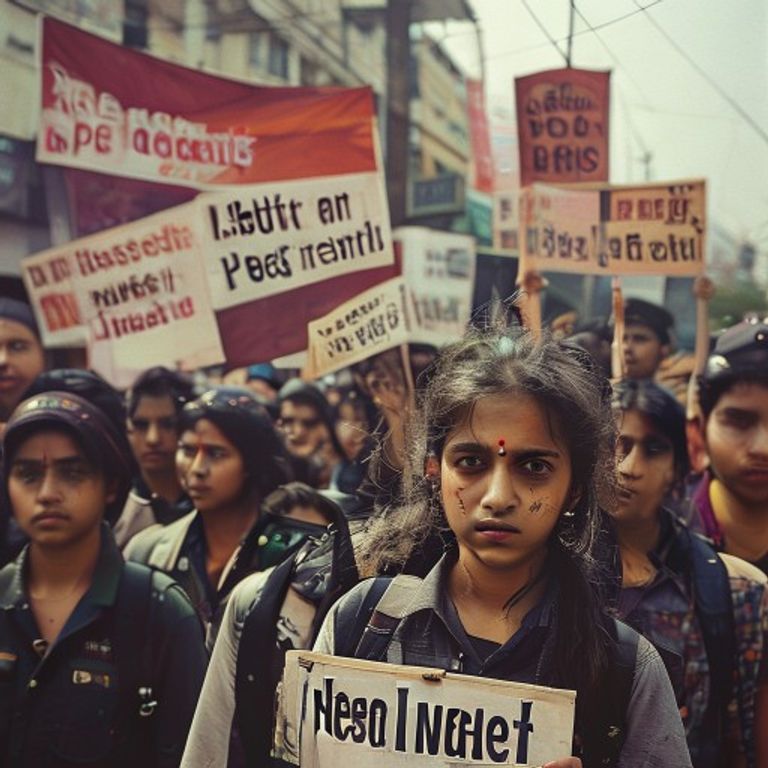
Bihar Gripped by Statewide Bandh Amidst NEET Paper Leak Outcry
Patna, Bihar – A palpable sense of outrage swept across Bihar today as a statewide bandh (general strike) brought normal life to a grinding halt. The widespread agitation was orchestrated by various left-wing student organizations protesting the alleged
NEET paper leak, an issue that has cast a long shadow over the integrity of one of India’s most crucial entrance examinations. From the early hours of the morning, protesters descended upon major roadways, blocking traffic and disrupting essential services in numerous districts. The collective demand echoing across the state was unequivocal: accountability from the Union government and the immediate resignation of the Union Education Minister for the perceived failure to safeguard the examination process. This statewide shutdown follows a period of escalating tension and earlier incidents of violent clashes in Patna, underscoring the deep-seated frustration among students and the public alike.
The Anatomy of a Statewide Protest
The call for a bandh, supported by a consortium of student bodies including the All India Students’ Federation (AISF), Students’ Federation of India (SFI), and All India Students’ Association (AISA), transformed Bihar’s usually bustling thoroughfares into arenas of demonstration. Reports from across the state painted a picture of widespread disruption. In cities like Patna, Gaya, Muzaffarpur, and Darbhanga, major intersections were barricaded with burning tyres and tree branches, effectively halting vehicular movement. Public transport, including buses and auto-rickshaws, remained largely off the roads, leaving commuters stranded. Essential services, though largely exempt from direct interference, felt the ripple effects of the widespread closures of markets, shops, and educational institutions.
Students, many of whom were aspirants themselves or had close family members affected by the alleged leak, formed the vanguard of these protests. Their impassioned slogans and banners highlighted not just the demand for justice regarding the NEET paper leak but also broader concerns about the future of fair examinations in India. The protests were largely peaceful in nature, marked by sit-ins and rallies, though the sheer scale of the blockades led to significant inconvenience for the general populace. The organized nature of the bandh reflected a meticulously planned effort by student groups to amplify their grievances and pressure the authorities into swift action.
The Shadow of the NEET Paper Leak
At the heart of the statewide unrest is the contentious issue of the alleged NEET (National Eligibility cum Entrance Test) paper leak. NEET is the gateway for admissions to undergraduate medical and dental courses across India, making it an examination of paramount importance for hundreds of thousands of aspiring doctors. Allegations of irregularities, including reports of question papers being circulated on social media platforms hours before the exam and the arrest of several individuals purportedly involved in an organized cheating racket, have fueled public anger.
The National Testing Agency (NTA), responsible for conducting the NEET examination, has come under intense scrutiny. While the NTA has maintained that the integrity of the examination was not compromised on a large scale, the ongoing investigations and arrests by law enforcement agencies suggest a deeper malaise. Students and parent associations argue that even localized leaks or instances of malpractices undermine the credibility of the entire process, creating an unfair playing field for millions of honest, hardworking candidates. The psychological toll on students who invest years of their lives preparing for this examination, only to face uncertainty and allegations of corruption, is immense.
This is not an isolated incident; India has a troubling history of exam paper leaks, ranging from state civil service examinations to school board tests. Each incident erodes public trust in governmental institutions and their ability to conduct transparent and equitable selection processes. The current NEET controversy is seen by many as a critical juncture, demanding not just arrests but systemic reforms to prevent future occurrences.
Heightened Security and Government Response
In anticipation of the statewide bandh, Bihar authorities had significantly ramped up security measures. Additional police personnel were deployed strategically across all 38 districts of the state, particularly in sensitive areas and protest hotspots. Paramilitary forces were also reportedly on standby in certain regions. Senior police officials were seen personally overseeing arrangements to ensure law and order were maintained and to prevent any escalation of violence, especially given the backdrop of recent clashes.
Section 144 of the Criminal Procedure Code, prohibiting the assembly of four or more people, was reportedly enforced in some urban centres to curb large gatherings. Drone surveillance was also utilized in key areas to monitor the movement of protesters and identify potential flashpoints. While the state administration acknowledged the right to peaceful protest, it also issued stern warnings against any acts of vandalism or violence. Public appeals were made for calm and cooperation, urging citizens to not succumb to misinformation and to allow the investigation into the alleged NEET paper leak to proceed without obstruction.
The state government, while dealing with the immediate law and order situation, also faced pressure to address the underlying concerns. Statements from government representatives often emphasized the ongoing nature of the investigation and the commitment to bring culprits to justice. However, these assurances have largely failed to quell the widespread discontent, with protesters demanding more decisive action and accountability at the highest levels.
Political Implications and Demands for Resignation
The statewide bandh and the ongoing protests have rapidly escalated into a significant political challenge for both the state and Union governments. Opposition parties were quick to lend their support to the student groups, criticizing the handling of the NEET examination and demanding accountability. The call for the Union Education Minister’s resignation has become a central rallying cry, transforming the issue from a mere administrative oversight into a full-blown political crisis.
Leaders from various political spectrums weighed in, with many opposition figures accusing the government of being apathetic to the plight of students and failing to ensure the sanctity of examinations. They highlighted the recurring nature of paper leaks under the current administration, arguing that it points to systemic deficiencies rather than isolated incidents. Conversely, ruling party members largely defended the government’s efforts, emphasizing the arrests made and the ongoing investigation as proof of their commitment to justice.
The political rhetoric surrounding the NEET controversy has intensified, with both sides leveraging the issue to galvanize their respective bases. For the ruling dispensation, the challenge lies in restoring public confidence in the examination system and demonstrating decisive action. For the opposition, it presents an opportunity to corner the government on an issue that directly affects millions of families across the country, particularly in states like Bihar where educational opportunities are highly competitive.
Student Aspirations and a Tarnished System
The human cost of alleged exam leaks extends far beyond the immediate disruption of protests. It shatters the aspirations of countless young individuals who dedicate years to rigorous preparation, often under immense financial and emotional strain. Many students hail from rural backgrounds, their families investing their life savings in coaching classes and study materials, viewing NEET as their only viable path to upward mobility and a respectable profession.
The uncertainty created by a potential leak, the fear of their efforts being rendered meaningless by the malpractice of a few, breeds cynicism and despair. This erosion of trust in the system can have long-lasting consequences, not just for individual students but for the societal fabric. It questions the very premise of meritocracy and fairness, essential pillars of a democratic society. Parents, too, share in this anguish, witnessing their children’s dreams being threatened by factors beyond their control.
The demand for the Union Education Minister’s resignation stems from a belief that the buck stops at the top. Protesters argue that a minister overseeing the education portfolio should bear ultimate responsibility for the integrity of examinations conducted under their purview. Their call is not just for punitive action against those who facilitate the leaks but for a broader overhaul of the system that makes such malpractices possible.
Conclusion: A Demand for Educational Integrity
The statewide bandh in Bihar over the alleged NEET paper leak serves as a potent reminder of the fragility of public trust in India’s examination system. While the immediate focus remains on addressing the demands of the protesting students and ensuring justice for those affected by the alleged leak, the incident underscores a deeper, systemic challenge. The recurring nature of paper leaks necessitates comprehensive reforms, including robust security protocols, stringent punitive measures, and a more transparent examination process.
As Bihar slowly returns to normalcy, the echoes of the protests will continue to resonate. The resolution of the NEET controversy will not only shape the academic future of countless students but also test the government’s resolve to uphold the sanctity of education. The path forward requires not just investigation and arrests but a renewed commitment to safeguarding the integrity of examinations, ensuring that merit and hard work remain the sole determinants of success in India’s fiercely competitive educational landscape.