
 By NewsMatrix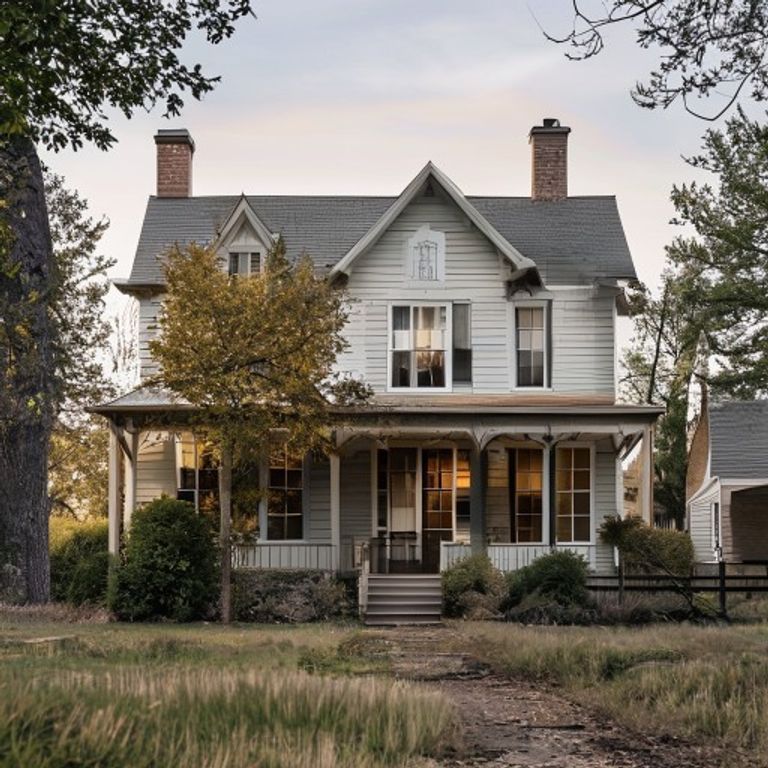
GLOUCESTER, MA – A truly unparalleled piece of American history has emerged on the real estate market, offering a unique opportunity to own a piece of the nation’s foundational story. The meticulously preserved 1678 William Haskell House, nestled in the historic coastal town of Gloucester, Massachusetts, is now officially listed for sale. This extraordinarily rare colonial-era property stands as a remarkable testament to early American architecture and the enduring spirit of its original inhabitants. Nearly 350 years old, this residence is not merely a house but a living museum, retaining a wealth of original features that transport occupants back to the 17th century, while seamlessly integrating modern amenities essential for contemporary living. Its availability marks a significant moment for enthusiasts of American heritage and discerning buyers seeking a home with profound historical depth. The William Haskell House offers an authentic glimpse into the lives and craftsmanship of America’s early settlers, embodying centuries of stories within its ancient timbers.
A Legacy Forged in Early America
The story of the William Haskell House begins with its namesake, William Haskell, a pivotal figure in Gloucester’s early colonial period. Haskell was more than just a builder; he was an integral part of the nascent community, establishing roots in a challenging new world. Born in England around 1618, he arrived in the Massachusetts Bay Colony as part of the Great Migration, a wave of Puritan settlers seeking religious freedom and new opportunities. He eventually made his way to Gloucester, a town then a burgeoning settlement grappling with the untamed wilderness and the realities of establishing a permanent presence on the rugged New England coast.
Haskell’s chosen profession, or at least a significant part of his livelihood, was the harvesting of salt hay from the local marshes. Salt hay, a type of grass found in coastal salt marshes, was a crucial resource for early colonial farmers. It provided valuable fodder for livestock, especially during the harsh New England winters, and was also used for insulation and bedding. This intimate connection to the land and its resources underscores the pragmatic and industrious spirit of the era, a spirit imbued within the very foundations of the house he built.
Constructed in 1678, the William Haskell House predates many significant events in American history, including the Salem Witch Trials, the American Revolution, and even the official incorporation of many towns that are now household names. Its age places it firmly within the first century of permanent European settlement in New England, an era defined by resourcefulness, resilience, and the slow, arduous process of transforming a wild frontier into a structured society. Owning a home from this period is akin to holding a tangible piece of the nation’s genesis, a direct link to the men and women who laid the groundwork for future generations.
Gloucester: A Historic Coastal Enclave
Gloucester itself boasts a rich and storied past, dating back to its founding in 1623. As one of the earliest English settlements in Massachusetts, it quickly established itself as a vital fishing port, a heritage that continues to shape its identity today. The town’s maritime history is legendary, marked by generations of intrepid fishermen who braved the treacherous waters of the North Atlantic. This robust historical backdrop provides an ideal setting for a property like the William Haskell House, where the rhythms of colonial life were intrinsically linked to the sea and the land.
The town’s historical fabric is evident in its charming architecture, its bustling harbor, and its numerous historical sites. For residents of the William Haskell House, Gloucester offers not just a home, but an immersive historical experience, with every street and cove whispering tales of centuries past. The preservation efforts in Gloucester ensure that its unique character, blending rugged natural beauty with deep historical roots, remains intact for future generations.
Architectural Splendor: A Glimpse into Colonial Craftsmanship
The 1678 William Haskell House is a prime example of First Period colonial architecture, a style characterized by its pragmatic construction, robust materials, and the ingenious use of available resources. These homes were built to withstand the unforgiving New England climate and to serve the functional needs of colonial families. The design ethos was one of utility and durability, resulting in structures that have often stood for centuries.
Key architectural features of the William Haskell House include:
- Heavy Timber Framing: The structural integrity of the house is built upon massive hand-hewn timbers, typically oak or pine, joined with mortise and tenon joints secured by wooden pegs. This method of construction, visible in exposed beams, is a hallmark of the period and a testament to the skilled craftsmanship of colonial builders.
- Central Chimney: A dominant feature of First Period homes, the massive central chimney provided multiple hearths for cooking and heating, serving as the literal and metaphorical heart of the home. Its size and location were crucial for warmth and efficiency in an era before modern heating systems.
- Small, Multi-Paned Windows: Windows in colonial homes were typically smaller than modern windows, designed for energy efficiency and structural stability. The multi-paned design allowed for smaller, more manageable glass panes, which were expensive and difficult to produce at the time.
- Garrison Overlay (Potentially): While the specific description doesn’t detail it, many First Period homes, especially those built on hillsides or in towns, featured a garrison or jettied upper story, an overhang that offered additional interior space and sometimes defensive capabilities. Given its age and location, this might be a subtle feature, adding to its unique profile.
- Asymmetrical Facade: Early colonial homes often evolved over time, with additions built as families grew or needs changed, leading to an organic, often asymmetrical appearance that tells a story of the home’s development.
- Wide Plank Flooring: Original wide plank floorboards, often made from old-growth timber, are a common and highly sought-after feature, conveying a sense of authenticity and historical texture.
The retention of these original features is what truly sets the William Haskell House apart. Walking through its rooms is an experience of stepping back in time, touching the same wood, gazing through the same windowpanes, and feeling the same presence that colonists felt nearly 350 years ago. This authenticity is a rare commodity in today’s market, where many historic homes have undergone extensive modernizations that strip away their original character.
Seamless Blend of Past and Present
While steeped in history, the William Haskell House is not a relic frozen in time. It has been thoughtfully updated and maintained to provide all the comforts and conveniences expected of a modern home, without compromising its historical integrity. This delicate balance of preservation and modernization is a hallmark of sensitive historical restoration.
The specific “modern amenities” are not detailed, but one can infer them to include updated electrical systems, plumbing, heating, and potentially renovated kitchens and bathrooms that blend contemporary functionality with period-appropriate aesthetics. Imagine a chef’s kitchen equipped with state-of-the-art appliances, yet designed with custom cabinetry and finishes that complement the colonial style. Picture luxurious bathrooms that offer spa-like comfort while respecting the home’s venerable character.
Beyond the main residence, the estate includes additional features that enhance its appeal and utility. An “antique barn” stands as a picturesque reminder of the property’s agricultural past, offering versatile space that could be adapted for a variety of uses – a workshop, an artist’s studio, additional storage, or even a unique guest cottage, subject to local regulations. Barns from this era are often as historically significant as the main house, showcasing similar construction techniques and serving as invaluable architectural artifacts.
The “covered porch” provides a tranquil outdoor living space, perfect for enjoying the New England seasons. It offers shelter from the elements while extending the living area into the natural surroundings, a common feature in later colonial and early American homes, providing a transition zone between the interior and exterior. This addition likely enhances the property’s livability and offers charming views of the historic grounds.
An Investment in Heritage and Lifestyle
The sale of the William Haskell House represents more than just a real estate transaction; it is an investment in American heritage and a unique lifestyle opportunity. Properties of this age and historical significance are exceptionally rare, especially those that have been so well preserved. They appeal to a niche market of buyers who prioritize authenticity, character, and a connection to the past over new construction.
For the right buyer, this home offers:
- Unmatched Historical Value: A direct link to colonial America, providing an immersive historical living experience.
- Architectural Masterpiece: A living example of First Period architecture, showcasing centuries of craftsmanship.
- Prime Location: Situated in the charming and historically rich coastal town of Gloucester, Massachusetts.
- Unique Lifestyle: The opportunity to reside in a home that tells a story, surrounded by a community that values its past.
- Long-Term Value: Historically significant properties often appreciate not just in monetary value, but in their cultural and intrinsic worth, becoming cherished heirlooms.
The global appeal of such a property extends beyond American borders. Individuals from around the world who appreciate history, unique architecture, and the concept of living within a tangible piece of the past will find the William Haskell House immensely appealing. It is a testament to human endurance, architectural ingenuity, and the foundational narrative of a nation.
Conclusion: A New Chapter for a Timeless Treasure
The availability of the 1678 William Haskell House for sale in Gloucester, Massachusetts, is a moment of considerable interest for historians, preservationists, and discerning buyers alike. This rare colonial-era property embodies nearly 350 years of American history within its walls, offering an unparalleled glimpse into early American architecture and the lives of its original inhabitants. From its robust timber framing to its storied connection to William Haskell and his salt hay harvesting, every element of this home speaks to a rich and enduring legacy.
Seamlessly blending its original, irreplaceable features with essential modern amenities, and complemented by an antique barn and a charming covered porch, the William Haskell House stands ready for its next chapter. It is more than just a house; it is a profound connection to the past, a living testament to resilience, and a unique opportunity to become a steward of a truly timeless treasure. For those seeking a home that offers not just shelter, but a vibrant narrative of America’s beginnings, this Gloucester gem represents an extraordinary and perhaps once-in-a-lifetime acquisition.