
 By NewsMatrix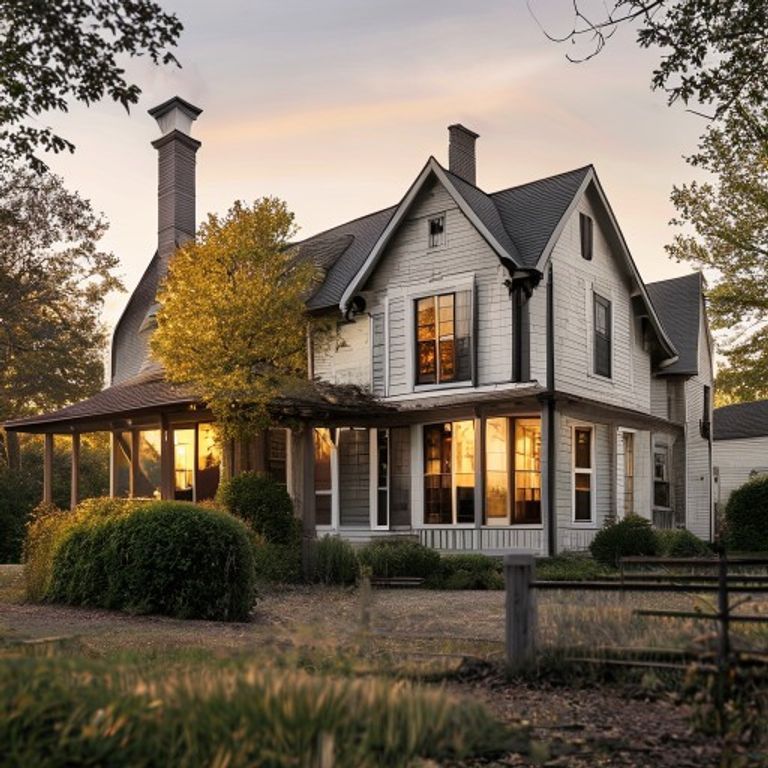
A Glimpse into History: The Rare 1678 William Haskell House in Gloucester Hits the Market
Gloucester, Massachusetts – A truly exceptional piece of early American history has recently become available for acquisition, offering a unique opportunity for discerning buyers and history enthusiasts alike. The rare William Haskell House, built in 1678, a mere 58 years after the Pilgrims landed at Plymouth Rock, is now officially for sale. This remarkable colonial-era property in Gloucester, Massachusetts, stands as a profound testament to the architectural ingenuity and enduring spirit of the region’s earliest European settlers. With nearly 350 years of history embedded within its timber frames and stone foundation, the home offers an unparalleled glimpse into early American architecture, meticulously retaining many of its original features while thoughtfully integrating modern amenities essential for contemporary living.
The significance of a structure dating back to 1678 cannot be overstated. In an era marked by nascent settlements, harsh environments, and the foundational development of what would become the United States, homes of this vintage are exceedingly scarce. The William Haskell House represents more than just a dwelling; it is a tangible link to a pivotal period, offering insights into the daily lives, building practices, and cultural evolution of colonial New England. Its availability marks a significant moment for historical preservation and the real estate market, drawing attention from across the globe to the rugged beauty and deep heritage of Massachusetts’s iconic North Shore.
The Builder and His Era: William Haskell and 17th-Century Gloucester
The house bears the name of its original proprietor, William Haskell, a figure whose life and livelihood were deeply intertwined with the landscape of early Gloucester. Born in 1645 in Gloucester, William Haskell was the son of William Haskell Sr., one of the earliest settlers of the area, having arrived from England in the 1630s. The younger William Haskell’s occupation as a farmer and, notably, a harvester of salt hay from the local marshes, provides a fascinating window into the economic realities of the time. Salt hay, gathered from coastal salt marshes, was a crucial resource for colonial farmers, used primarily as feed for livestock, bedding, and insulation. Its abundance in the Gloucester area would have been a significant draw for settlers and a foundational element of the local economy.
Building a home of such scale and permanence in the late 17th century was no small feat. It required considerable resources, skill, and a deep commitment to establishing roots in a challenging new world. The construction would have involved local timber, hand-hewn beams, and skilled labor, reflecting a community’s collective effort. The 1670s were a period of growth for the Massachusetts Bay Colony, albeit one still fraught with challenges, including King Philip’s War (1675-1678), which concluded in the very year the house was built. The resilience evident in constructing such a home amidst these historical currents speaks volumes about the early American settlers’ fortitude and determination to build a lasting society.
Architectural Majesty: A First Period Colonial Masterpiece
The William Haskell House is a quintessential example of First Period colonial architecture, a style that predates Georgian influences and is characterized by its utilitarian design, robustness, and reliance on local materials and traditional English building techniques. These homes were designed primarily for function and survival in the New England climate, focusing on sturdy construction and efficient heating. Key architectural features typically include a massive central chimney, which served multiple fireplaces and often housed the beehive oven, forming the thermal heart of the home. The timber frame construction, with heavy, exposed beams and posts, is another hallmark, showcasing the structural integrity and craftsmanship of the era.
Upon entering the William Haskell House, one is immediately transported back in time. The low ceilings, often necessitated by the structural requirements of heavy timber framing and the desire to retain heat, contribute to the intimate and cozy atmosphere. The deeply recessed, often small, windows were designed for insulation and security, offering controlled views of the outside world. Wide plank floorboards, likely cut from old-growth trees, display the rich patina of centuries of wear, each imperfection telling a silent story. The careful preservation of these elements allows visitors and future owners to experience the spatial qualities and material authenticity of a 17th-century New England dwelling firsthand.
The house’s construction methodology reflects a direct lineage from medieval European building traditions, adapted for the American frontier. The use of mortise and tenon joinery, secured with wooden pegs, represents a timeless technique that has allowed these structures to stand for centuries, resisting the elements and the passage of time. The unadorned aesthetics, while seemingly simple, speak to a profound understanding of materials and structural principles, creating a beauty born of necessity and honesty in construction. This architectural style provides valuable insights into the resourcefulness and ingenuity of early American builders, whose work continues to inspire and instruct.
Harmonizing History and Modernity
One of the most compelling aspects of the William Haskell House is its remarkable ability to seamlessly blend nearly 350 years of history with the conveniences of the 21st century. This delicate balance is crucial for historic properties to remain livable and functional in today’s world. While the essence of the 1678 structure has been meticulously preserved, thoughtful updates have been integrated to ensure comfort and utility without compromising its historical integrity.
- Preserved Original Features: Visitors will find numerous examples of original craftsmanship, including exposed hand-hewn beams that crisscross ceilings, showcasing the intricate timber framing. Several original fireplaces, each a focal point of its respective room, offer a tangible connection to how the home was heated and how meals were prepared centuries ago. Wide pine floorboards, some spanning the entire width of rooms, bear the marks of generations of inhabitants. These features are not merely decorative; they are integral to the home’s narrative and structural authenticity.
- Sensitive Modern Enhancements: The integration of modern amenities has been executed with an eye towards reverence for the past. Kitchens and bathrooms have been updated to meet contemporary standards of efficiency and comfort, featuring modern appliances, fixtures, and finishes, yet often designed in a style that complements the home’s historic character. Essential infrastructure upgrades, such as plumbing, electrical systems, and heating, have been carefully installed to ensure safety and functionality while minimizing intrusion on the original fabric of the house. These updates are critical for the long-term preservation and enjoyment of such a property, making it a viable and comfortable residence rather than merely a museum piece.
The successful juxtaposition of old and new in the William Haskell House demonstrates a masterclass in historical renovation, offering a living example of how the past can not only coexist with but also enrich the present. This careful balance ensures that the home can continue to serve its primary function as a residence while simultaneously acting as a custodian of history.
The Estate: Beyond the Main House
The property extends beyond the main residence, encompassing additional elements that enhance its historical charm and functional appeal. The estate now includes a charming antique barn, a common and essential feature of colonial properties, providing valuable space for storage, workshops, or potential conversion into other uses, subject to local regulations and historical guidelines. These outbuildings often hold their own historical significance, speaking to the self-sufficiency and agricultural practices of early American households. The presence of such a barn further underscores the property’s authentic colonial character, offering echoes of a time when daily life revolved around the land and its resources.
Adding to the allure is a covered porch, an amenity that, while potentially a later addition or a modern interpretation, offers a delightful space for relaxation and enjoyment of the surrounding landscape. It provides an ideal vantage point to appreciate the property’s grounds, which likely retain a rustic beauty in keeping with its age and location. The integration of such outdoor living spaces adds to the property’s functionality and aesthetic appeal, offering residents a serene environment to connect with nature and the historic setting. The land itself, with its mature trees and natural features, contributes to the sense of privacy and timelessness that envelops the estate, providing a tranquil escape in historic Gloucester.
Gloucester, Massachusetts, itself is a town steeped in history, renowned for its vibrant fishing industry, artistic community, and picturesque coastal landscapes. Owning a home like the William Haskell House in such a storied location offers not just a residence but an immersion into a rich cultural tapestry. The town’s historical societies and preservation efforts ensure that its heritage is honored, creating an environment where a property of this magnitude is truly appreciated and valued.
A Rare Investment in American Heritage
The sale of the 1678 William Haskell House is more than a real estate transaction; it represents a rare opportunity to invest in tangible American heritage. Properties of this age, in such a remarkable state of preservation, are exceptionally uncommon. They are not merely houses but living monuments, chroniclers of the nation’s earliest days. The market for such unique historic homes is often driven by individuals who possess a deep appreciation for history, architecture, and the responsibility of stewardship. These buyers understand that they are not just acquiring a residence but becoming custodians of a significant piece of the past.
The value of historic properties extends beyond monetary considerations. They offer an unparalleled lifestyle, one that fosters a connection to previous generations and invites a continuous journey of discovery within its walls. For those passionate about early American history, owning the William Haskell House would be the ultimate dream, providing an intimate setting for historical research, preservation, and living amidst centuries-old craftsmanship. Furthermore, well-maintained and historically significant properties often hold their value exceptionally well, appreciating not only in financial terms but also in intrinsic cultural worth. Such an investment is not just in real estate, but in the enduring legacy of a nation.
The challenges of owning a very old home, such as ongoing maintenance and adherence to historical preservation guidelines, are often outweighed by the profound rewards. The satisfaction of contributing to the continuity of history, of safeguarding a structure that has witnessed nearly 350 years of change, is immense. It offers a unique narrative and a sense of belonging to something much larger than oneself. The William Haskell House stands ready to offer this profound experience to its next fortunate owner, promising a life rich with historical resonance and architectural beauty.
Conclusion: A Timeless Legacy Awaits
The availability of the 1678 William Haskell House in Gloucester, Massachusetts, represents a truly extraordinary moment in the world of historic real estate. This nearly 350-year-old colonial-era gem is a rare survivor, meticulously preserved and thoughtfully updated, offering an unparalleled opportunity to own a tangible piece of early American history. From its origins with William Haskell, the salt hay harvester, to its current state as a cherished estate complete with an antique barn and covered porch, the house embodies centuries of stories, architectural evolution, and the enduring spirit of New England.
For those who seek more than just a house, but a legacy, a connection to the past, and a unique architectural masterpiece, the William Haskell House presents an irresistible proposition. It is a home that transcends mere shelter, offering a profound journey through time and a chance to become a steward of a national treasure. As it prepares for its next chapter, this historic property stands as a beacon of early American craftsmanship and resilience, ready to welcome a new owner into its rich and storied embrace, continuing its timeless legacy in the heart of Gloucester.