
 By NewsMatrix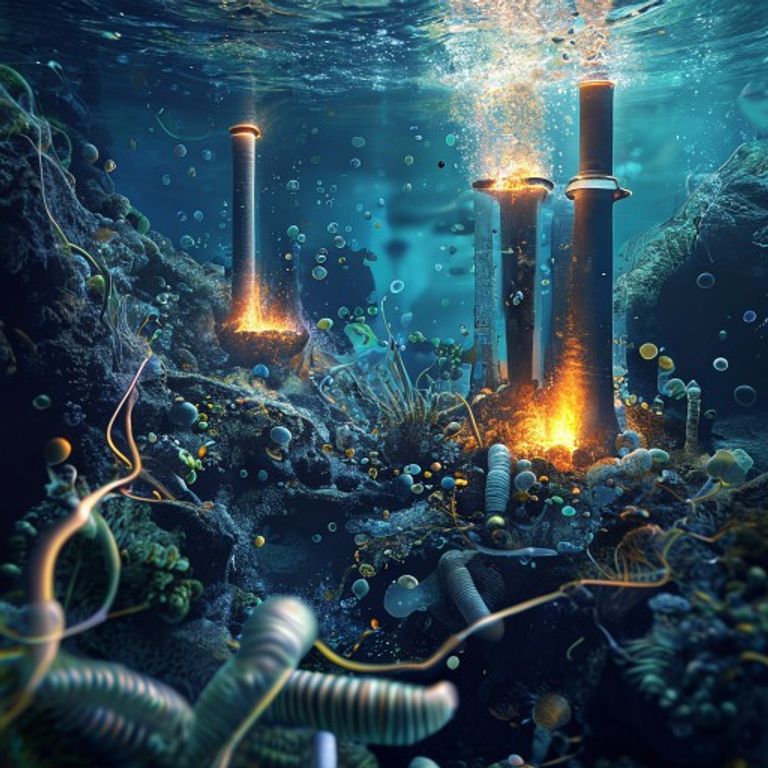
In a stark revelation highlighting the pervasive reach of human impact, a recent scientific study has uncovered alarming concentrations of deep-sea microplastics within some of the planet’s most isolated and pristine environments: deep-sea hydrothermal vent ecosystems. These unique biological communities, thriving in extreme conditions far removed from surface activities, are now confirmed to be significantly compromised by plastic pollution, painting a grim picture of global environmental degradation.
The groundbreaking research, which spanned multiple oceans, revealed that an astonishing ninety-two percent of deep-sea animals examined from these remote vent systems had ingested or accumulated microplastic particles within their bodies. This finding shatters previous assumptions about the sanctuary status of these ecosystems and underscores the urgent need for comprehensive global strategies to combat plastic waste.
The Hidden World of Hydrothermal Vents Under Threat
Hydrothermal vents are extraordinary geological features on the ocean floor, where superheated, mineral-rich water erupts from the Earth’s crust. Far from sunlight, these vents support complex and unique ecosystems powered by chemosynthesis rather than photosynthesis. They are home to a diverse array of species, many of which are endemic and have adapted to survive in harsh, toxic conditions. Scientists have long considered these environments as natural laboratories for understanding the origins of life and the limits of biological adaptation. The discovery of microplastics in these ecosystems is particularly concerning because it signifies that even the most extreme and secluded habitats are not immune to anthropogenic pollution.
A Pervasive Pollutant: Polystyrene Dominates Findings
The study meticulously analyzed plastic particles found within deep-sea organisms, identifying various polymer types. Among them, polystyrene emerged as the most frequently detected polymer. Polystyrene is a widely used plastic, commonly found in packaging, disposable food containers, and insulation materials. Its prevalence in deep-sea vent animals suggests that fragmented polystyrene from consumer products is effectively making its way from terrestrial and surface marine environments down to the abyssal plains and into these fragile ecosystems. This highlights a critical pathway for plastic pollution, demonstrating how even relatively buoyant plastics can eventually sink or be transported to the deepest parts of the ocean.
The characteristics of polystyrene, such as its fragmentation into smaller, more easily ingested microparticles and its eventual sinking due to biofouling or aggregation, likely contribute to its high detection rate in deep-sea fauna. This particular finding raises questions about the long-term impact of specific plastic types on marine life and the potential for a differential impact based on polymer properties.
How Feeding Behavior Drives Microplastic Accumulation
One of the study’s significant insights was the influence of feeding behavior on microplastic accumulation within the deep-sea animals’ bodies. Different species inhabiting hydrothermal vents employ diverse feeding strategies, which in turn dictate their exposure and uptake of microplastics.
- Filter Feeders: Organisms such as tube worms and mussels, which filter vast quantities of water to extract food particles, are particularly vulnerable. Their feeding mechanism makes them highly efficient at inadvertently collecting microplastic particles suspended in the water column.
- Deposit Feeders: Animals that consume organic matter from the seafloor sediments are also at high risk. Microplastics can settle and become embedded in these sediments, making them readily available to deposit feeders.
- Scavengers and Predators: Even species higher up the food web, like crabs and other carnivores, are susceptible. They can accumulate microplastics through trophic transfer, ingesting particles already present in their prey. This bioaccumulation up the food chain poses a significant threat to the entire ecosystem structure.
The direct correlation between feeding strategy and microplastic load underscores the ecological interconnectedness of these environments. As microplastics become an intrinsic part of the food web, there is a substantial risk of detrimental effects on individual organisms’ health, reproduction, and overall population dynamics. Long-term exposure could lead to physical damage, blockages, reduced nutrient absorption, and potential toxicological impacts from plastic additives or adsorbed pollutants.
Geographical Disparities: The Indian Ocean Anomaly
The research also unveiled a striking geographical disparity in microplastic concentrations. Animals sampled from hydrothermal vent ecosystems in the Indian Ocean exhibited significantly higher microplastic concentrations compared to their counterparts in the Pacific Ocean. This regional difference warrants further investigation and could be attributed to several factors:
- Proximity to Sources: The Indian Ocean is bordered by densely populated regions with high rates of plastic consumption and inadequate waste management systems. Major rivers in these areas carry substantial plastic loads into the ocean, which could then be transported by currents.
- Oceanic Circulation Patterns: Unique ocean current systems in the Indian Ocean might be more effective at accumulating and transporting microplastics towards deep-sea environments, or perhaps specific current pathways direct pollutants towards these particular vent fields.
- Sampling Bias or Specific Vent Characteristics: While researchers strive for representative sampling, the specific characteristics of the sampled vent fields in the Indian versus Pacific oceans, including local hydrodynamics and faunal composition, could play a role. However, the consistent and significant difference points towards broader oceanographic or anthropogenic factors.
- Less Research in Indian Ocean: Historically, deep-sea research in the Indian Ocean has been less extensive than in the Pacific. This study could be revealing a previously under-documented level of pollution in this basin.
The elevated levels in the Indian Ocean serve as a critical alarm, suggesting that certain regions may be experiencing disproportionately high impacts of plastic pollution, even in their deepest reaches. Understanding these geographical nuances is crucial for developing targeted intervention strategies.
Implications for Global Marine Conservation and Future Research
The infiltration of deep-sea microplastics into hydrothermal vent ecosystems presents a profound challenge to global marine conservation efforts. These ecosystems are often considered strongholds of biodiversity and potential reservoirs of unique biochemical compounds with biotechnological applications. Their contamination by plastics threatens not only the unique organisms but also the vital ecological services they provide, which are still largely unknown.
This study acts as a powerful call to action, emphasizing that plastic pollution is not merely a superficial problem confined to coastlines and surface waters. It permeates every stratum of the ocean, reaching environments once thought to be beyond the direct grasp of human waste.
Future research must focus on:
- Long-term Ecological Impacts: Investigating the chronic effects of microplastic ingestion on deep-sea organisms, including impacts on growth, reproduction, immune function, and overall population health.
- Source Identification and Pathways: Pinpointing the exact sources and transport mechanisms that deliver microplastics to these remote deep-sea environments.
- Innovative Remediation and Prevention: Developing and implementing effective strategies for reducing plastic waste at its source and exploring innovative solutions for plastic removal from marine environments, though deep-sea remediation remains incredibly challenging.
- Global Monitoring Networks: Establishing standardized global monitoring programs for microplastics in deep-sea ecosystems to track trends and evaluate the effectiveness of mitigation efforts.
Conclusion: A Call for Unified Global Action
The discovery of deep-sea microplastics in hydrothermal vent ecosystems is a sobering reminder that no corner of our planet is safe from the pervasive threat of plastic pollution. These findings demand a re-evaluation of our approach to waste management, industrial practices, and consumer behavior on a global scale. Protecting these unique and scientifically invaluable deep-sea environments requires a unified, international effort.
Governments, industries, and individuals must collaborate to drastically reduce plastic production, improve waste collection and recycling infrastructure, and foster sustainable alternatives. The health of our oceans, from the surface to the deepest vents, hinges on our collective commitment to safeguarding these vital ecosystems for future generations. The time for decisive action against plastic pollution is now, before these hidden wonders of the deep are irrevocably altered by our neglect.