
 By NewsMatrix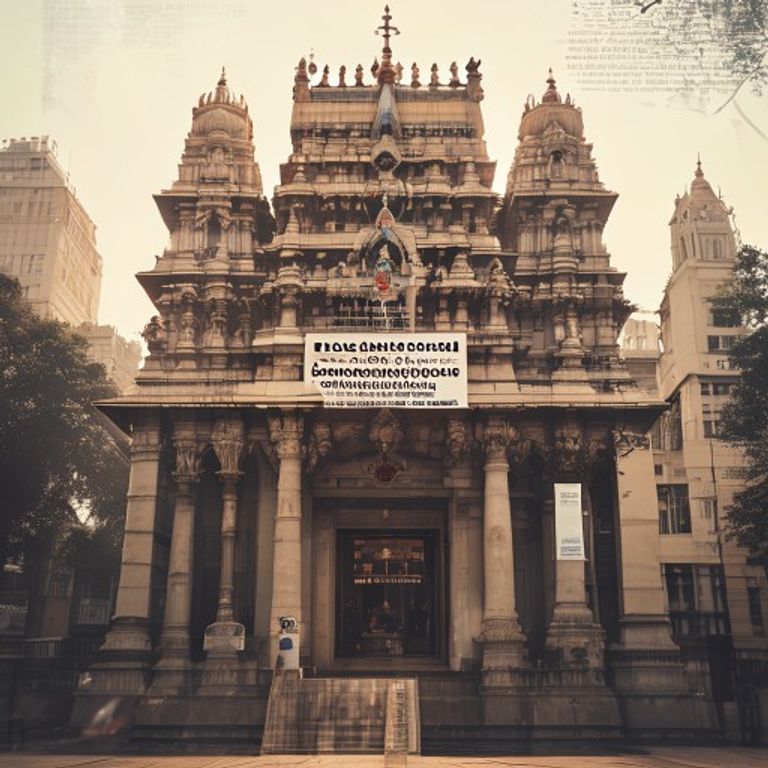
Maharashtra Deputy CM Alleges Siddhivinayak Temple Donation Irregularities, Demands Transparency
Mumbai, [Date] – A significant political and religious controversy has erupted in Maharashtra following allegations by Deputy Chief Minister Eknath Shinde concerning alleged donation irregularities at Mumbai’s iconic Siddhivinayak Temple. Shinde, addressing the media, specifically questioned the prolonged silence on what he described as “looting of temple donations” that purportedly occurred during the tenure of the previous state government. These accusations have been swiftly and vehemently rejected by Aadesh Bandekar, the former chairman of the Siddhivinayak Temple Trust, who has called for a comprehensive and impartial inquiry into the matter. This development casts a spotlight on the financial transparency of religious institutions and echoes recent concerns raised over similar alleged improprieties at the Ram Temple in Ayodhya, where an investigation found evidence of embezzlement.
Shinde’s Allegations: A Call for Accountability
Deputy CM Eknath Shinde’s statements mark a serious escalation in the political discourse surrounding the administration of public trusts, particularly those managing significant religious endowments. Speaking forcefully, Shinde pointed to the previous regime, suggesting a deliberate oversight or complicity in alleged financial malfeasance. “For years, there has been silence on the alleged looting of donations at the Siddhivinayak Temple during the previous government’s time,” Shinde stated, adding, “It is imperative that a thorough investigation be conducted to ascertain the truth and hold those responsible accountable. The faith of millions of devotees is at stake, and their contributions must be handled with utmost transparency and integrity.”
The allegations by a high-ranking state official immediately draw attention to the mechanisms of governance and oversight within prominent religious trusts. Such institutions, revered by millions, handle substantial public donations, making their financial probity a matter of both public trust and governmental scrutiny. Shinde’s comments imply a systemic failure in monitoring financial flows, potentially suggesting that public funds, donated in faith, may have been misused or diverted.
Bandekar Rejects Claims, Demands Fair Inquiry
In a rapid rebuttal, Aadesh Bandekar, who served as the chairman of the Siddhivinayak Temple Trust during the period in question, strongly refuted Deputy CM Shinde’s allegations. Bandekar, a prominent figure known for his association with the Trust, expressed dismay at what he termed baseless accusations. “These allegations are entirely unfounded and politically motivated,” Bandekar asserted. “I completely reject them. We maintained impeccable financial records and adhered to all regulatory guidelines. To insinuate ‘looting’ is a grave slander against the Trust and its dedicated members.”
Bandekar went further, challenging the Deputy CM to substantiate his claims with concrete evidence. He expressed confidence in the Trust’s operational integrity and called for an immediate and fair inquiry by an independent body. “I welcome any investigation, provided it is fair, unbiased, and transparent,” Bandekar declared. “Let the truth emerge through a proper inquiry. We have nothing to hide, and we are prepared to cooperate fully to clear the name of the Siddhivinayak Temple Trust.” His demand for an inquiry underscores the gravity of the accusations and the need for definitive answers to preserve public confidence in the esteemed religious institution.
The Shadow of Ayodhya: Parallels in Temple Trust Controversies
The controversy surrounding the Siddhivinayak Temple donation irregularities gains further resonance when viewed in the context of a similar issue that plagued the Ram Temple in Ayodhya earlier this year. In June, a significant uproar emerged concerning alleged irregularities in the counting and management of donations specifically earmarked for the construction of the grand Ram Temple. The allegations quickly led to a formal investigation.
A Special Investigation Team (SIT) was constituted to probe the matter in Ayodhya. The SIT’s diligent investigation ultimately found compelling evidence of embezzlement, leading to the arrest of several individuals associated with the donation management at the Ayodhya temple. This incident highlighted critical vulnerabilities in the oversight mechanisms of large-scale donation drives and religious trusts, regardless of their prominence or purpose.
The Ayodhya precedent serves as a stark reminder of the potential for financial malfeasance even in projects of immense national and religious significance. The findings and subsequent arrests there underscore the imperative for stringent financial controls, regular audits, and transparent reporting in the management of public donations. Political analysts suggest that Shinde’s referencing of the “previous regime” and “looting” deliberately draws a parallel to such high-profile cases, aiming to amplify the seriousness of his claims and the need for immediate action.
The Significance of Siddhivinayak Temple and Public Trust
The Shree Siddhivinayak Ganapati Mandir, located in Prabhadevi, Mumbai, is one of the richest and most revered temples in India. Dedicated to Lord Ganesha, it attracts millions of devotees annually, including prominent politicians, Bollywood celebrities, and business tycoons. The temple’s immense popularity translates into substantial daily donations, which are managed by the Shree Siddhivinayak Ganapati Temple Trust. These funds are not only used for the temple’s upkeep and religious ceremonies but are also channeled into various charitable activities, social welfare programs, and educational initiatives, making the Trust a significant contributor to public good.
Given its stature and the volume of public contributions it receives, the financial integrity of the Siddhivinayak Temple Trust is paramount. Allegations of irregularities, particularly those involving “looting,” can severely erode public trust, not only in the specific institution but also in the broader ecosystem of religious endowments. Devotees offer their donations with immense faith, expecting them to be utilized for their intended purpose. Any breach of this trust is viewed with extreme gravity, demanding swift and conclusive resolution.
Transparency in the management of such trusts is not merely a legal requirement but a moral imperative. Regular and public audits, clear accounting practices, and robust oversight mechanisms are essential to maintain the sanctity of donations and the faith of the contributors. “Public faith in religious institutions is a delicate balance, built over centuries,” observed Dr. Priya Sharma, a sociologist specializing in religious studies. “Allegations of financial impropriety, especially from political figures, can shake this foundation significantly. A swift and transparent inquiry is crucial not just for accountability but for restoring and maintaining that faith.”
Political Ramifications and the Road Ahead
The allegations leveled by Deputy CM Shinde are poised to intensify the political rivalry within Maharashtra. The direct imputation against the “previous regime” clearly targets the Shiv Sena (Uddhav Balasaheb Thackeray) faction and its allies who were in power. This incident could become another flashpoint in the ongoing political struggle, with both sides likely to use it to score political points.
The call for an inquiry, if pursued, would involve meticulous examination of the Trust’s financial records, audit reports, and operational procedures during the specified period. Such an investigation would require the cooperation of all parties involved and the expertise of financial forensic teams. The outcome could have far-reaching implications, potentially leading to legal action if evidence of malfeasance is found, or, conversely, vindicating the Trust and its former chairman if the allegations prove unsubstantiated.
Beyond the immediate political skirmishes, this controversy underscores the critical need for a standardized, robust framework for financial governance across all major religious trusts in India. While regulations exist, their enforcement and the level of transparency vary. The incidents in Ayodhya and now the allegations concerning Siddhivinayak Temple highlight the necessity for uniform best practices, independent audits, and accessible financial reporting to prevent misuse of sacred donations and uphold public confidence.
Conclusion: A Call for Unwavering Transparency
The allegations of donation irregularities at Mumbai’s Siddhivinayak Temple by Deputy CM Eknath Shinde have thrust the financial operations of revered religious institutions into the public spotlight once again. While former Trust chairman Aadesh Bandekar has vehemently denied the claims and demanded a fair inquiry, the gravity of the accusations, particularly in light of recent embezzlement findings at the Ram Temple in Ayodhya, necessitates an urgent and comprehensive investigation. The core issue remains the unwavering commitment to transparency and accountability in the handling of public donations, ensuring that the faith and contributions of millions of devotees are safeguarded. The path forward demands an impartial inquiry, the clear presentation of facts, and a renewed emphasis on strengthening the oversight mechanisms that govern India’s invaluable religious endowments.