
 By NewsMatrix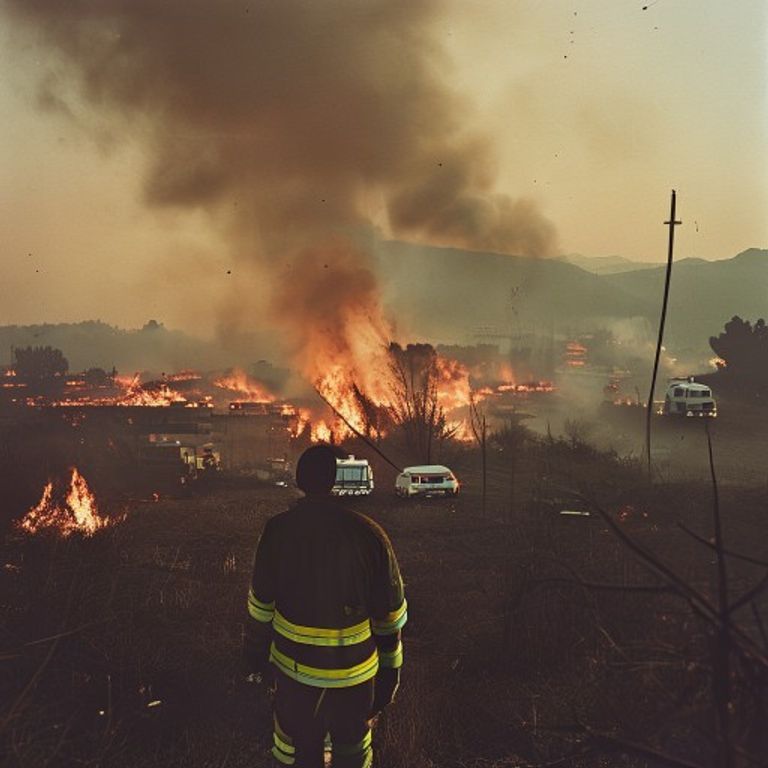
Catastrophic Southern Spain Wildfire Leaves Twelve Dead, Many Injured
A devastating
Southern Spain Wildfire
has tragically claimed the lives of twelve individuals, leaving an indelible mark of sorrow and destruction across the affected region. The inferno, which rapidly engulfed vast swathes of land, also resulted in numerous injuries, with many requiring urgent medical attention for burns and smoke inhalation. This catastrophic event, exacerbated by extreme heat and arid conditions, has emerged as one of the most tragic wildfires in Spain’s recent history, challenging emergency services and leaving communities grappling with profound loss. As the smouldering landscape begins to cool, investigations into the precise cause of the fire are now meticulously underway, aiming to shed light on the origins of this unprecedented disaster.
The Unfolding Tragedy: A Grim Toll
The human cost of the wildfire has been particularly grievous. Twelve confirmed fatalities paint a stark picture of the inferno’s ferocity and the perilous conditions faced by those caught in its path. These victims include both residents unable to escape the fast-moving flames and, tragically, some who were involved in the heroic but dangerous efforts to contain the blaze. The identities of the deceased are being respectfully withheld as authorities work to notify next of kin and provide support to grieving families. Beyond the fatalities, scores of individuals have sustained injuries, ranging from severe burns requiring specialized treatment in regional hospitals to respiratory issues from inhaling dense smoke. Evacuation orders were issued swiftly for numerous towns and villages, displacing thousands and creating an immediate humanitarian crisis, with temporary shelters established to provide refuge, food, and medical aid to those uprooted from their homes.
Extreme Conditions Fuel the Blaze
The rapid and relentless spread of the Southern Spain Wildfire can be largely attributed to a confluence of adverse environmental factors. Southern Spain has been enduring a prolonged period of intense heat, with temperatures soaring well above seasonal averages, creating tinder-dry conditions across forests, scrubland, and agricultural areas. Coupled with this extreme heat has been an extended drought, leaving vegetation parched and highly combustible. Strong, erratic winds further complicated firefighting efforts, acting as a brutal accelerant and carrying embers over vast distances, igniting new fronts and making containment a near-impossible task in many areas. The rugged topography of the region, characterized by dense pine forests and challenging terrain, also presented significant logistical hurdles for ground crews attempting to access and combat the flames directly.
Heroic Efforts Amidst Overwhelming Odds
The response to the inferno saw an unprecedented mobilization of resources and personnel. Hundreds of firefighters, supported by military emergency units, civil protection volunteers, and local police, worked tirelessly around the clock. Aerial assets, including water-bombing planes and helicopters from Spain and neighbouring regions, performed continuous sorties, dumping thousands of gallons of water on the most active fronts. However, even these monumental efforts were often overwhelmed by the fire’s sheer scale and intensity. Firefighters battled not only the flames but also extreme fatigue, heat exhaustion, and the emotional toll of witnessing such widespread destruction. Their bravery and dedication in the face of such adversity have been lauded by officials and the public alike, underscoring the immense personal risks undertaken to protect lives and property.
Investigating the Genesis of the Disaster
As the immediate crisis subsides, a critical phase of the response begins: the investigation into the cause of the Southern Spain Wildfire. Specialized police units and environmental agents are meticulously sifting through the charred remains, examining potential ignition points and collecting forensic evidence. While natural causes like lightning strikes are always a possibility, human activity, whether accidental or intentional, is frequently implicated in the origin of such large-scale blazes. Authorities are urging the public to come forward with any information that might assist in the investigation, emphasizing the importance of accountability and the need to implement measures to prevent future catastrophes. Understanding the precise cause is paramount not only for legal purposes but also for informing future prevention strategies and mitigating risks in vulnerable regions.
Ecological and Economic Fallout
Beyond the tragic loss of life, the wildfire has inflicted immense ecological damage. Thousands of hectares of vital forest ecosystems, home to diverse flora and fauna, have been reduced to ash. The long-term environmental consequences include soil erosion, loss of biodiversity, and significant impacts on local air and water quality. The economic repercussions are also substantial. Agricultural lands, livestock, and local businesses, particularly those reliant on tourism and forestry, have suffered devastating losses. The process of reforestation and ecological restoration will be a monumental and costly undertaking, spanning many years. The recovery effort will also involve significant investment in rebuilding infrastructure, supporting displaced families, and revitalizing the local economy, which has been dealt a severe blow.
A Broader Context: Climate Change and Preparedness
This tragic event serves as a stark reminder of the increasing vulnerability of Mediterranean countries to extreme weather events, a phenomenon increasingly linked to global climate change. Scientists warn that rising global temperatures contribute to longer and hotter summers, prolonged droughts, and an increased frequency and intensity of wildfires. This context underscores the urgent need for enhanced preparedness, proactive forest management strategies, and robust early warning systems. Discussions are intensifying on adapting infrastructure, implementing stricter regulations on land use, and investing in advanced firefighting technologies. International cooperation and shared knowledge among fire-prone regions are also critical components of a comprehensive strategy to combat the growing threat of mega-fires.
Looking Ahead: Resilience and Recovery
The communities affected by the Southern Spain Wildfire now face a long and arduous journey towards recovery. The immediate outpouring of national and international solidarity, including donations and volunteer efforts, highlights the strength of human empathy in times of crisis. While the scars on the landscape and in the hearts of those who lost loved ones will undoubtedly remain, the spirit of resilience is already evident. The focus will now shift from containment to comprehensive recovery – rebuilding homes, restoring livelihoods, and healing communities. This tragic event serves as a powerful call to action, emphasizing the imperative for ongoing vigilance, sustainable environmental practices, and robust disaster preparedness to safeguard against future infernos and protect precious lives and natural heritage.