
 By NewsMatrix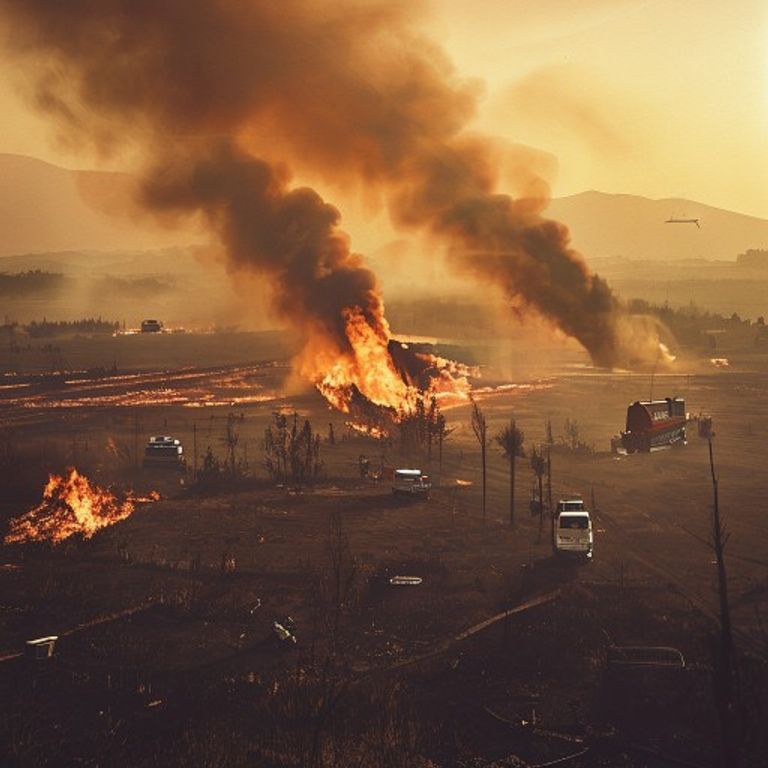
Devastating Spain Wildfire Claims Twelve Lives Amidst Extreme Heat
In a heart-wrenching turn of events, a catastrophic Spain wildfire has tragically claimed the lives of twelve individuals in southern Spain, marking one of the nation’s most devastating natural disasters in recent memory. Numerous others have sustained injuries, some severe, as the rapidly spreading inferno consumed vast tracts of land, leaving a trail of destruction and despair. The relentless combination of extreme heat, prolonged drought, and arid conditions served as a deadly catalyst, exacerbating the intensity of the blaze and severely hindering the valiant efforts of firefighters battling the ferocious flames. This tragic incident has cast a somber shadow across the Iberian Peninsula, prompting an immediate and extensive investigation into the origins and causes of the fire, while communities grapple with the profound loss and monumental task of recovery.
The Unfolding Catastrophe: A Battle Against Nature’s Fury
The scale of the devastation wrought by the wildfire is staggering. Spanning across several provinces in southern Spain, the blaze engulfed pristine natural parks, dense forests, agricultural lands, and even threatened residential areas, forcing thousands to evacuate their homes with little more than the clothes on their backs. The sheer speed and unpredictable nature of the fire, fueled by strong winds and an abundance of dry vegetation, created a volatile and perilous environment for emergency responders. Eyewitness accounts speak of terrifying walls of fire, towering smoke plumes visible for miles, and the acrid smell of burning timber pervading the air, painting a grim picture of a region under siege. The loss of life underscores the unforgiving power of such blazes, highlighting the critical importance of rapid response and effective preventative measures in areas prone to wildfires.
Emergency services, including regional and national firefighting units, military personnel, and volunteer groups, were immediately deployed, utilizing every available resource from ground crews to aerial water bombers. Despite their heroic efforts, the conditions on the ground were exceptionally challenging. Temperatures soared well above seasonal averages, with some areas experiencing heatwaves that pushed mercury readings to unprecedented levels. This extreme heat not only intensified the fire but also posed significant health risks to the firefighters, who worked tirelessly around the clock in sweltering conditions. The rugged and often inaccessible terrain of southern Spain further complicated operations, making it difficult for ground crews to establish firebreaks and contain the advancing flames effectively. The logistical challenges of coordinating such a large-scale response across multiple jurisdictions were immense, yet the dedication of all personnel involved remained unwavering.
Human Cost and Community Impact
The human toll of this Spain wildfire is the most profound aspect of the tragedy. Beyond the twelve confirmed fatalities, many individuals required urgent medical attention for burns, smoke inhalation, and other fire-related injuries. Hospitals in affected regions were quickly overwhelmed, prompting calls for additional medical support and resources. The victims, whose identities are being slowly released, represent a heartbreaking cross-section of society, including local residents, emergency workers, and potentially tourists caught unaware by the rapid progression of the fire. Each life lost leaves an irreplaceable void, and the affected families are now facing an unimaginable period of grief and uncertainty.
Furthermore, the psychological impact on the survivors and evacuated communities cannot be overstated. Thousands of people have been displaced, losing their homes, livelihoods, and cherished possessions. The experience of fleeing a raging inferno, coupled with the anxiety of not knowing what remains of their properties, will undoubtedly leave lasting scars. Local authorities and humanitarian organizations have swiftly moved to establish temporary shelters, providing food, water, and essential supplies to those affected. Psychosocial support teams are also being mobilized to help individuals cope with the trauma of displacement and loss. The resilience of the Spanish people, however, is evident in the outpouring of solidarity and support from across the nation, with countless individuals and groups offering assistance to those in need.
Environmental Devastation and Long-Term Consequences
The environmental devastation caused by the Spain wildfire is immense and will have far-reaching consequences for the region’s delicate ecosystems. Vast stretches of unique Mediterranean flora and fauna, including ancient forests and protected natural habitats, have been reduced to ashes. The loss of biodiversity is a significant concern, as many species, some endemic to the region, may struggle to recover. The immediate aftermath also brings the risk of soil erosion, particularly with the onset of autumn rains, which could lead to flash floods and further destabilize the landscape. The scorched earth, stripped of its protective vegetation, becomes vulnerable, posing long-term challenges for ecological restoration.
Beyond the immediate destruction, the wildfire has contributed significantly to air pollution, with smoke and particulate matter drifting across vast areas, impacting air quality and public health. The carbon emissions released into the atmosphere from the burning forests also exacerbate climate change, creating a vicious cycle where hotter, drier conditions lead to more frequent and intense wildfires. Experts warn that the recovery of these ecosystems could take decades, if not centuries, requiring concerted efforts in reforestation, habitat restoration, and sustainable land management practices. The long-term economic implications for agriculture, forestry, and the vital tourism sector, which relies heavily on the region’s natural beauty, are also a grave concern.
Investigating the Origins and Future Preparedness
As the immediate crisis subsides, the focus intensifies on uncovering the cause of this catastrophic Spain wildfire. Investigations are currently underway by specialized units, examining potential triggers ranging from natural phenomena like lightning strikes to human negligence or even deliberate arson. In many previous wildfires across the globe, human activity, whether accidental or intentional, has been identified as a significant factor. Unraveling the precise origin is crucial not only for accountability but also for informing future prevention strategies. Understanding how and why such a devastating fire began will be instrumental in developing more robust measures to mitigate risks and protect vulnerable communities.
This tragedy serves as a stark reminder of the increasing vulnerability of many regions to extreme weather events, a phenomenon increasingly linked to global climate change. Scientists and policymakers have repeatedly warned about the escalating frequency and intensity of wildfires worldwide, driven by rising global temperatures, prolonged droughts, and changes in precipitation patterns. In response, there is a renewed call for enhanced preparedness and proactive measures. This includes investing in early warning systems, improving forest management practices such as controlled burns and clearing dry undergrowth, upgrading firefighting equipment, and educating the public on fire safety and prevention. Furthermore, international cooperation and the sharing of best practices in wildfire management are becoming ever more critical as these events transcend national borders.
Governments, both national and regional, are now facing immense pressure to review and strengthen their emergency response protocols and long-term climate adaptation strategies. This includes not only direct firefighting capabilities but also urban planning in fire-prone areas, developing robust evacuation plans, and ensuring that adequate resources are available for both immediate crisis management and sustained recovery efforts. The path to full recovery for the affected communities will be long and arduous, requiring significant financial investment and unwavering commitment. However, the spirit of solidarity and the determination to rebuild remain strong, reflecting the enduring resilience of those impacted by this devastating natural disaster.
Conclusion: A Call for Vigilance and Resilience
The catastrophic Spain wildfire that claimed twelve innocent lives and inflicted widespread devastation across southern Spain stands as a profound testament to the destructive power of nature, amplified by challenging environmental conditions. It is a tragedy that reverberates far beyond the immediate scorched landscapes, touching the lives of countless individuals and challenging the resolve of entire communities. While the immediate focus remains on humanitarian aid, extinguishing lingering hotspots, and piecing together the events that led to this disaster, the long-term implications for the region’s ecology, economy, and social fabric are immense.
This devastating event underscores the urgent need for a comprehensive and collaborative approach to wildfire management, prevention, and climate adaptation. It is a powerful reminder that as global temperatures continue to rise, such extreme events may become more commonplace, necessitating greater vigilance, increased investment in protective measures, and a collective commitment to addressing the root causes of climate change. The memory of those lost will serve as a somber impetus for sustained action, ensuring that Spain, and indeed the world, learns invaluable lessons from this tragic episode. The journey to recovery will be arduous, but with collective effort and enduring resilience, the affected communities in southern Spain will strive to rebuild, heal, and emerge stronger from the ashes.