
 By NewsMatrix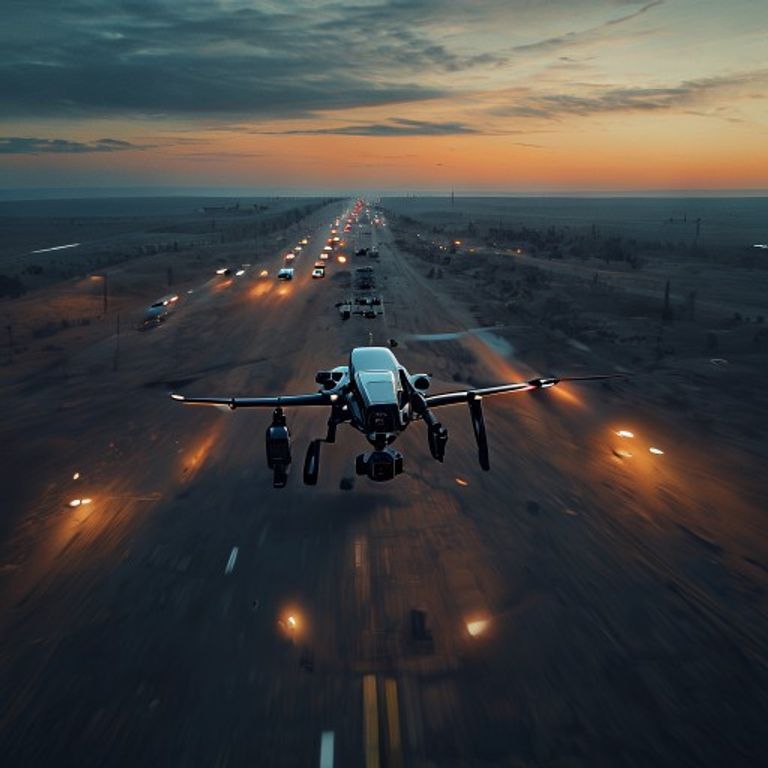
The landscape of the war in Ukraine is undergoing a profound transformation. What began as a conflict defined by massive artillery barrages and armored columns has increasingly shifted toward a sophisticated, high-stakes game of technological cat-and-mouse. As NewsMatrix has been closely monitoring, the front lines are no longer just defined by trenches and fortifications; they are now dictated by the pervasive presence of unmanned aerial vehicles (UAVs) and the desperate, creative efforts to evade them.
The Evolution of the Mid-Strike Drone
Ukrainian drone commanders and pilots, speaking recently to Reuters, have highlighted a critical turning point in the conflict. The development and rapid deployment of what are being termed mid-strike drones have fundamentally altered the battlefield calculus. Unlike the small, short-range quadcopters used for tactical reconnaissance or immediate strikes on trench lines, these mid-strike platforms offer a lethal combination of precision and reach.
These assets allow Ukrainian forces to strike military targets located dozens of kilometers behind the front lines. Perhaps most significantly, they accomplish this at a relatively low cost compared to traditional precision-guided missiles. By utilizing affordable, domestically produced, or modified commercial technology, Kyiv is effectively punching above its weight, turning its drone program into a strategic asset that keeps Russian rear-echelon forces in a state of constant vulnerability.
Impact on the Rear Echelon
The ability to strike deep behind Russian positions has forced Moscow to rethink its entire logistics chain. The primary impact is not just the destruction of individual targets, but the disruption of the Russian military’s ability to sustain operations. When the rear is unsafe, the front lines eventually starve. This has led to a noticeable shift in how Russian logistics officers approach the movement of ammunition, fuel, and supplies.
Russian Tactical Adaptation: The Mask of Civilian Life
In response to the mounting effectiveness of Kyiv’s drone campaign, Russian commanders are adopting increasingly desperate and clandestine measures. According to reports from the field, Moscow is turning to deceptive practices to protect its logistical arteries. The most prominent of these is the practice of disguising military supplies inside seemingly innocuous civilian vehicles.
By blending military assets into the general traffic of civilian trucks, vans, and commercial vehicles, Russian forces are attempting to exploit the moral and tactical hesitation of drone operators to strike targets that could potentially contain non-combatants. It is a cynical adaptation that forces Ukrainian pilots into complex, split-second ethical and tactical dilemmas.
Logistical Shifts and Route Changes
Beyond simple deception, Moscow is also drastically altering its logistics routes to evade detection. This includes:
- Operating exclusively under the cover of darkness to avoid optical detection.
- Utilizing secondary and tertiary road networks to avoid major supply arteries that are heavily monitored.
- Implementing strict radio silence for convoys to prevent signals intelligence (SIGINT) from alerting drone operators to their presence.
- Staging supplies in smaller, highly dispersed depots rather than large, centralized ammunition dumps.
The Ongoing Battle of Intelligence
NewsMatrix understands that this dynamic has created an environment where intelligence-gathering is as important as the drone strike itself. The efficacy of the Ukrainian drone campaign now relies heavily on the ability of intelligence teams to distinguish between legitimate civilian traffic and military convoys masquerading as such. This requires a fusion of real-time satellite imagery, human intelligence (HUMINT) on the ground, and advanced signal analysis.
For the Russian side, the challenge is maintaining the pace of their war effort while being forced to adopt these slower, less efficient methods of transport. A logistics chain that must constantly hide, divert, and change its timing is a logistics chain that ultimately struggles to deliver the volume of supplies required for high-intensity warfare.
Conclusion: A Changing Battlefield
The war in Ukraine continues to evolve, proving that technological innovation on the front lines can force the opposing side to adapt its most basic operational doctrines. The Russian transition to disguising military supplies as civilian goods is a testament to the success of Kyiv’s mid-strike drone initiatives. However, as Moscow adjusts, so too will Ukraine’s tactics, ensuring that this aerial conflict will remain a central pillar of the wider war.
At NewsMatrix, we will continue to provide updates on how these tactical shifts impact the overall momentum on the ground. As the drone war continues to mature, it is clear that whoever can best master the integration of ISR (Intelligence, Surveillance, and Reconnaissance) and long-range precision strikes will hold a decisive advantage in the coming months.