
 By NewsMatrix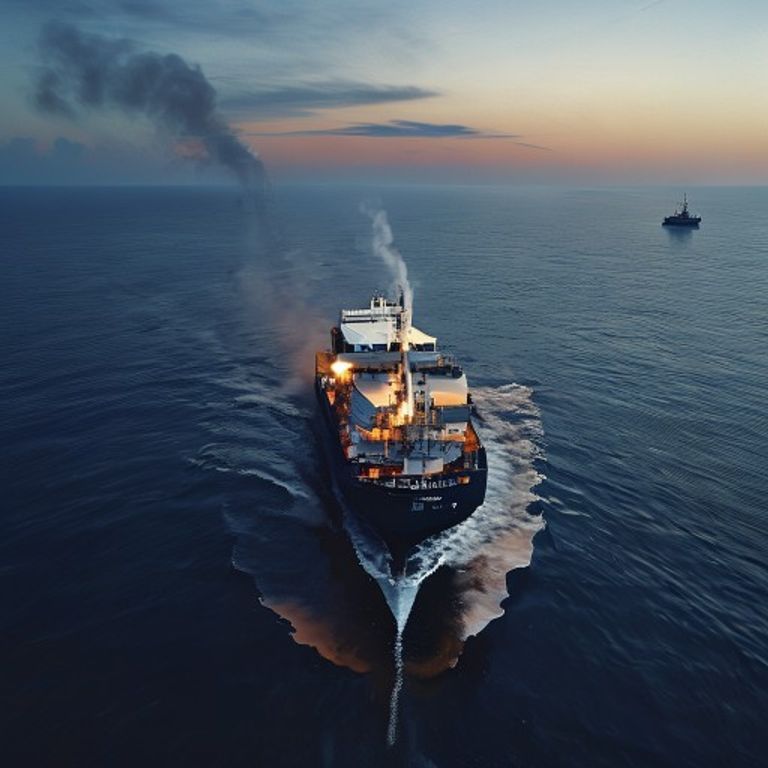
The global energy sector and maritime security community were rocked this week following a harrowing incident near the volatile Strait of Hormuz. A Qatar-bound Liquefied Natural Gas (LNG) carrier, a vessel critical to the energy supply chain, was reportedly struck in a suspected drone attack, leading to significant structural damage and a fire in its engine room. As reported by NewsMatrix, the incident has rapidly escalated into a major diplomatic flashpoint, with Qatar openly accusing Iran of orchestrating the strike, characterizing it as a flagrant violation of international law.
A Harrowing Ordeal at Sea
The situation began when the vessel, navigating through one of the world’s most critical maritime choke points, was suddenly targeted. According to initial reports, the strike resulted in immediate damage to the carrier’s hull, followed by the eruption of a fire within the engine room. For the crew aboard, the situation quickly became life-threatening. The vessel carried a total of 29 seafarers, among whom were four Indian nationals.
The bravery and professionalism of the crew were put to the ultimate test as they battled the blaze and navigated the crippled ship through treacherous waters. NewsMatrix sources indicate that all 29 crew members, including the four Indian nationals, have been confirmed safe. While the physical integrity of the vessel was compromised, the avoidance of any loss of life is being heralded as a near-miracle given the severity of the attack.
The Human Element: The Indian Crew
The presence of four Indian crew members on the vessel has drawn significant attention from Indian maritime authorities and global observers alike. NewsMatrix emphasizes that the safety of these seafarers remains a top priority. In an era where merchant mariners are increasingly becoming collateral damage in geopolitical disputes, this incident serves as a stark reminder of the risks faced by the men and women who keep global trade moving. The families of the crew, as well as their employers, are currently coordinating with international agencies to ensure the safe repatriation or transfer of the personnel once the situation stabilizes.
Geopolitical Fallout and Accusations
In the immediate aftermath of the strike, the Qatari government took a firm stance, publicly attributing the attack to Iranian forces. By labeling the drone strike a clear violation of international maritime law, Doha has signaled that it will not treat this as an isolated technical malfunction but rather as a deliberate act of state-sponsored aggression.
The Strait of Hormuz is arguably the most sensitive maritime corridor in the world, with a significant percentage of global oil and LNG supplies passing through its narrow channels daily. Any disruption here does not merely affect the immediate parties involved; it sends shockwaves through the global economy, impacting energy prices, insurance premiums, and international shipping lanes. Qatar’s accusation has effectively turned up the pressure on Tehran, prompting a flurry of diplomatic activity aimed at preventing further escalation.
International Law and Maritime Security
The incident raises profound questions regarding the protection of civilian commercial vessels during times of heightened geopolitical tension. International law, specifically the United Nations Convention on the Law of the Sea (UNCLOS), guarantees the right of innocent passage. Attacks on commercial shipping—particularly LNG carriers, which represent high-value, sensitive infrastructure—are widely condemned by the international community as destabilizing acts.
- The imperative to protect freedom of navigation in international waters.
- The vulnerability of critical energy infrastructure to asymmetric drone warfare.
- The role of international maritime coalitions in safeguarding transit corridors.
NewsMatrix continues to monitor the situation closely, particularly regarding the ongoing investigation into the drone’s origin and the specific tactical maneuvers employed during the attack. The use of drones in this manner highlights a disturbing trend in regional conflicts where non-conventional, cost-effective weaponry is used to achieve outsized strategic objectives.
The Road Ahead: Implications for Global Energy Markets
The energy markets reacted with immediate volatility following the news of the attack. With Qatar being one of the world’s largest LNG exporters, any threat to its transit routes is viewed as a threat to the global energy supply. Analysts cited by NewsMatrix suggest that this incident could lead to increased military presence in the region, higher insurance costs for vessels passing through the Strait of Hormuz, and potential rerouting of ships, all of which contribute to inflationary pressures on energy commodities.
The diplomatic rift between Qatar and Iran, following these accusations, further complicates an already fragile regional landscape. As international mediators scramble to de-escalate the tension, the maritime industry is bracing for a period of heightened vigilance. Shipping companies are being advised to reassess their security protocols when navigating near the Strait of Hormuz and to maintain close contact with regional naval authorities.
NewsMatrix Commitment to Reporting
At NewsMatrix, we remain committed to providing comprehensive coverage of this evolving story. We will continue to track the status of the vessel, the welfare of the Indian crew members, and the wider diplomatic fallout of this incident. The safety of mariners and the security of global energy routes are paramount, and we will continue to demand accountability and transparency from all parties involved in these dangerous encounters.
As the investigation proceeds, the global community looks toward the United Nations and other international bodies to facilitate a peaceful resolution to this dispute. Whether this incident leads to increased security measures or further regional instability remains to be seen. One thing is certain: the events near the Strait of Hormuz have once again demonstrated how precarious the global supply chain truly is in the face of unchecked geopolitical ambition.
Stay tuned to NewsMatrix for further updates as this situation develops. We remain dedicated to bringing you the facts, the context, and the human stories behind the headlines that shape our world.