
 By NewsMatrix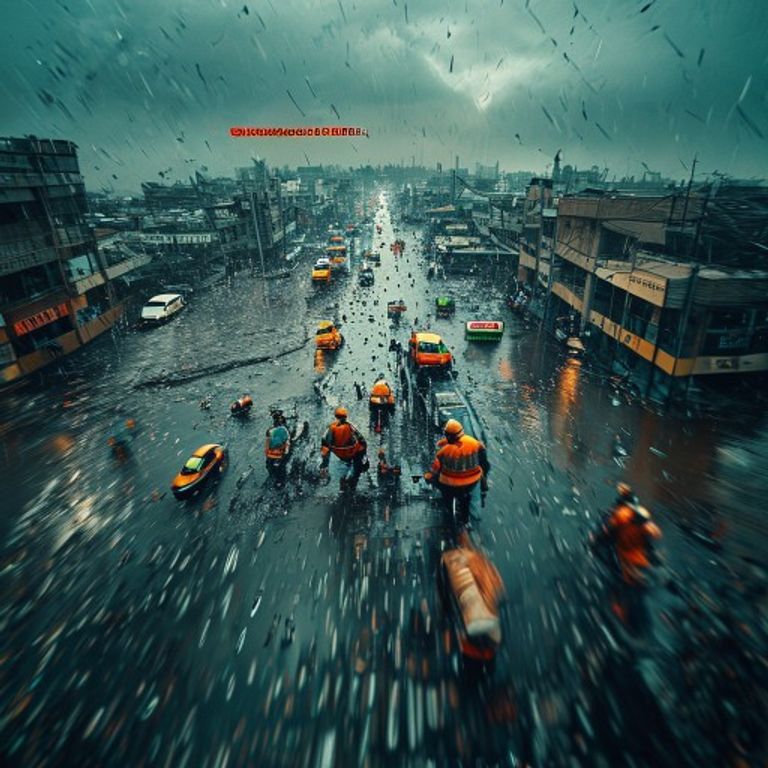
Mumbai Faces Nature’s Fury
The financial capital of India, Mumbai, once again finds itself grappling with the overwhelming force of nature. On Sunday, a relentless deluge battered the city, pushing infrastructure to its breaking point and plunging residents into a state of panic and despair. With over 200mm of rainfall recorded in a mere 24-hour period, the city’s drainage systems were rapidly overwhelmed, turning streets into rivers and complicating rescue operations across the sprawling metropolis.
As NewsMatrix reports, the situation on the ground remains critical. While Mumbai is no stranger to monsoon challenges, the sheer intensity of this particular weather system has highlighted the recurring vulnerabilities in the city’s urban planning and structural maintenance.
Tragedy in Mankhurd: Chawl Collapse Sparks Panic
The most harrowing incident from Sunday’s downpour occurred in the Mankhurd suburb. A multi-storey chawl—a type of densely populated tenement housing common in older parts of the city—collapsed under the strain of the heavy rain and structural compromise. The collapse has sent shockwaves through the local community, with initial reports suggesting that several people are feared trapped beneath the rubble.
Emergency services, including the National Disaster Response Force (NDRF) and local municipal authorities, were immediately mobilized. The rescue operations are being conducted under extremely challenging conditions, with rain continuing to hamper visibility and site stability. At NewsMatrix, we are closely monitoring the situation as responders work against the clock to locate survivors.
A City Submerged: Impact on Transport and Daily Life
The impact of the heavy rainfall extended far beyond structural collapses. Mumbai’s transportation network, often considered the city’s lifeline, faced massive disruptions throughout Sunday. Widespread waterlogging was reported in low-lying areas, including prominent suburbs and key arterial roads. Many vehicles were abandoned as water levels rose rapidly, leaving commuters stranded.
The aviation sector was not spared either. Numerous flights at Chhatrapati Shivaji Maharaj International Airport experienced significant delays, and some were diverted as pilots struggled with limited visibility and adverse weather conditions. The disruption underscored the volatility that extreme weather events introduce to the city’s logistical hubs.
Fatalities and the Cost of Extreme Weather
Tragedy struck in Kurla, where a tree fell onto a shop, claiming the life of one individual. This incident serves as a grim reminder of the dangers posed by the monsoon, particularly when high winds accompany heavy precipitation. This latest fatality adds to the growing count of weather-related deaths seen in recent days across the Mumbai Metropolitan Region.
NewsMatrix has been tracking the statistics of this monsoon season, and the trend is deeply concerning. The frequency of such intense weather events has put a strain not only on emergency services but also on the public psyche. The loss of life and the damage to property in Kurla reflect the broader dangers faced by millions of residents who live or work near aging infrastructure or vulnerable street trees.
Key Factors Contributing to the Crisis
Several factors have contributed to the severity of this weekend’s events:
- Unprecedented Rainfall: The accumulation of over 200mm in 24 hours surpassed the capacity of the city’s aging drainage infrastructure.
- Structural Integrity: Many older buildings, particularly chawls, are increasingly susceptible to damage during intense monsoon spells, requiring urgent audits.
- Urbanization Pressures: Encroachment on natural drainage paths and increased concrete surfaces have reduced the city’s natural ability to absorb heavy rainfall.
- Lack of Preventive Maintenance: The recurring nature of these issues highlights the need for more rigorous, year-round maintenance protocols for urban trees and structures.
The Path Forward: What Needs to Change?
As the city begins to assess the damage once the clouds clear, the conversation is inevitably shifting toward accountability and long-term planning. Experts suggest that short-term fixes are no longer sufficient to deal with the changing climate patterns impacting Mumbai.
NewsMatrix advocates for a multi-pronged approach to disaster mitigation:
Firstly, there must be an accelerated audit of all high-risk residential structures in the city. The tragedy in Mankhurd highlights the need to identify buildings that cannot withstand extreme weather and to provide safe relocation options for their inhabitants.
Secondly, investing in climate-resilient infrastructure is imperative. This includes upgrading storm-water drains, installing more efficient pumping stations, and rethinking urban planning to include more permeable surfaces that allow for natural water drainage.
Finally, urban forestry management needs to be prioritized. Regular, scientific pruning and the removal of hazardous trees before the onset of the monsoon could prevent unnecessary loss of life, such as the incident in Kurla.
Conclusion: A Resilient City Seeking Solutions
Mumbai has long been known as a city that never sleeps and always recovers. However, the resilience of its people should not be taken for granted. While the spirit of Mumbaikars remains unbroken, the systemic issues causing these disasters require immediate and sustained intervention from civic authorities.
As we continue to report on this developing story, NewsMatrix remains committed to providing our readers with accurate information and covering the stories that matter most to the city’s future. Our thoughts are with the families of those affected by the collapse in Mankhurd and the tragedy in Kurla. Stay tuned to NewsMatrix for further updates on the relief efforts and recovery progress.