
 By NewsMatrix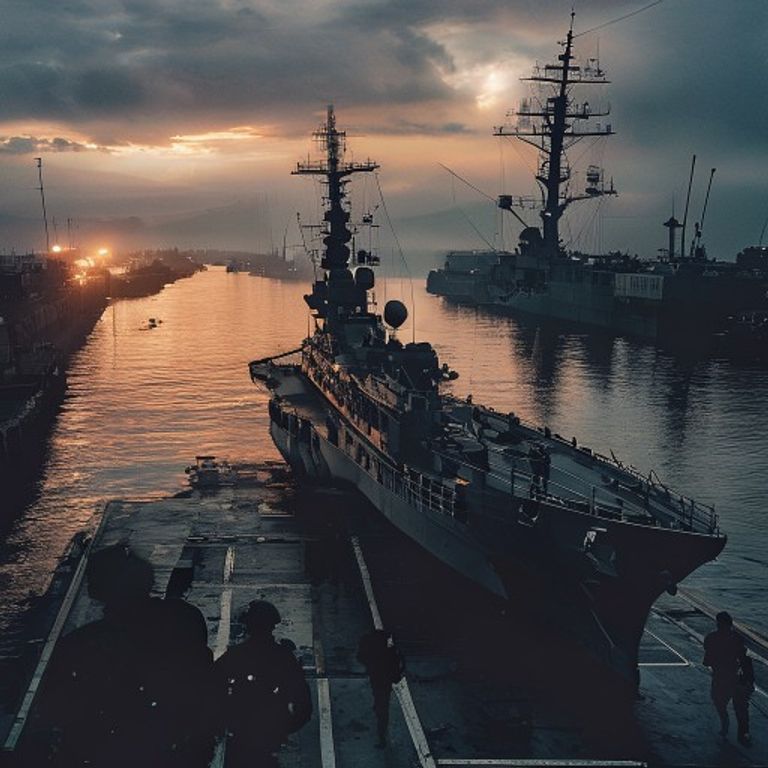
In a move that has once again heightened tensions across the Korean Peninsula and the broader Indo-Pacific region, North Korean leader Kim Jong Un has personally overseen a series of critical weapon system tests aboard a newly overhauled destroyer. According to the latest reports monitored by NewsMatrix, the vessel, identified as the 5,000-ton Kang Kon, has undergone extensive repairs and upgrades, transforming it into a pivotal component of Pyongyang’s expanding naval nuclear architecture.
A Strategic Shift Toward Sea-Based Nuclear Deterrence
For decades, North Korea’s nuclear doctrine focused primarily on land-based ballistic missiles, ranging from road-mobile tactical systems to intercontinental ballistic missiles (ICBMs) capable of reaching the continental United States. However, recent developments clearly indicate a strategic pivot. The re-commissioning and active testing of the Kang Kon signal that Pyongyang is actively attempting to diversify its nuclear delivery platforms, moving beyond fixed and mobile land sites to more survivable, sea-based options.
The modernization of the Kang Kon is not an isolated incident. Analysts at NewsMatrix note that this vessel follows the recent commissioning of another similar destroyer, suggesting a concerted effort to build a dedicated fleet capable of carrying cruise missiles armed with nuclear warheads. By shifting focus to naval platforms, North Korea aims to complicate the target acquisition processes of regional adversaries, such as South Korea, Japan, and the United States, by leveraging the vast mobility offered by the open sea.
Testing Nuclear-Capable Cruise Missiles
During the inspection, Kim Jong Un witnessed the testing of advanced cruise missile systems. Unlike ballistic missiles, which follow a predictable parabolic trajectory, cruise missiles fly at lower altitudes and can maneuver, making them significantly harder to detect and intercept with current missile defense systems. The integration of these weapons onto a destroyer platform provides the Korean People’s Navy with a flexible, long-range strike capability that was previously largely absent from their inventory.
This development poses a significant challenge for regional maritime security. If North Korea succeeds in fully operationalizing these ships, it could force a major reassessment of maritime defensive strategies in the region. The ability to launch nuclear-capable cruise missiles from platforms that can operate stealthily or hidden within coastal waters alters the threat landscape significantly.
The Timeline for Operational Capability
Perhaps the most alarming aspect of this latest update, as reported by sources tracking the developments for NewsMatrix, is the urgency dictated by the North Korean leadership. Kim Jong Un has issued a strict directive requiring the Kang Kon to be fully operational within two months. This accelerated timeline is indicative of a broader pattern in North Korea’s military modernization, where top-down mandates frequently override traditional procurement and testing cycles.
To meet this aggressive deadline, the shipyard workers and naval engineers tasked with the Kang Kon project are likely working under extreme pressure. While such accelerated schedules can result in technical shortcuts or safety oversights, they also highlight the high strategic priority placed on maritime nuclear capabilities by the regime.
Implications for the Region
The implications of a nuclear-armed, naval-focused North Korean military are profound for regional security architectures. The NewsMatrix analysis team has identified several critical areas of concern:
- Complexity of Defense: The move to sea-based platforms significantly complicates the defensive burden for the US-ROK alliance, requiring increased investment in maritime domain awareness and anti-submarine/anti-surface warfare capabilities.
- Strategic Instability: The introduction of nuclear weapons into naval maneuvers increases the risk of miscalculation. Maritime encounters between North Korean, South Korean, and US naval forces, which are already tense, could escalate rapidly if nuclear-capable platforms are involved.
- Expanded Range: Unlike land-based launchers that are limited by geography, a functioning 5,000-ton destroyer has the endurance to operate further from the North Korean coast, thereby expanding the potential threat envelope to more distant regional targets.
NewsMatrix Perspective: Monitoring the Escalation
As North Korea continues its rapid expansion of military capabilities, NewsMatrix remains committed to providing comprehensive, verified analysis of these developments. The transformation of the Kang Kon is not just a technological milestone for Pyongyang; it is a clear political message that the regime intends to hold its nuclear deterrent at sea, ensuring its survivability against preemptive strikes.
The international community will be closely monitoring the next two months. Whether the Kang Kon meets its operational deadline is less significant than the broader trend it represents: a North Korea determined to weave nuclear capabilities into every facet of its military power. As these platforms enter service, the need for proactive diplomatic engagement, robust deterrence, and clear communication channels becomes more urgent than ever to prevent further escalation on the Korean Peninsula.
Stay tuned to NewsMatrix for continued updates on this developing situation as we track the operational status of the Kang Kon and the evolving naval posture of North Korea.